
- +91 7381040775 / +91 7381030775
- support@drdiptimanent.com
- Monday - Sunday : 10AM- 4PM
- Monday - Friday : 6PM-8PM
- JCEM Diagnostics, Tarini Lane, Near Secondary Board High School, Bajrakabati Rd, Cuttack, Odisha – 753001
Laryngology focuses on the diagnosis and treatment of disorders related to the voice box and throat. Our services include advanced voice disorder treatment, effective swallowing disorder treatment, and specialized vocal cord treatment to improve communication and overall health. With expert larynx treatment, we ensure accurate diagnosis and personalized care for long-term relief.
Advanced laryngology care is essential for managing voice and throat conditions effectively. Patients benefit from targeted voice disorder treatment and specialized swallowing disorder treatment that improve daily comfort and function. Effective vocal cord treatment helps restore clear voice, while precise larynx treatment ensures proper airway and throat health. Many individuals rely on laryngology services for long-term relief through expert voice disorder treatment and consistent swallowing disorder treatment. Each vocal cord treatment is designed to address specific conditions, supported by accurate larynx treatment. With growing awareness, more patients seek laryngology care for advanced voice disorder treatment and reliable swallowing disorder treatment. Structured vocal cord treatment improves communication, while targeted larynx treatment supports overall throat health. Patients trust laryngology for comprehensive care through effective voice disorder treatment, ongoing swallowing disorder treatment, precise vocal cord treatment, and advanced larynx treatment for better outcomes.
Comprehensive laryngology care focuses on treating voice and throat conditions with effective voice disorder treatment and reliable swallowing disorder treatment. Patients often require specialized vocal cord treatment supported by precise larynx treatment for better outcomes. Many individuals choose laryngology for expert evaluation and advanced voice disorder treatment along with consistent swallowing disorder treatment. Proper vocal cord treatment improves voice quality, while targeted larynx treatment ensures healthy airway function. With modern advancements, laryngology offers improved voice disorder treatment and accurate swallowing disorder treatment.
Each vocal cord treatment is tailored to patient needs, supported by expert larynx treatment. Patients rely on laryngology for long-term relief through structured voice disorder treatment, effective swallowing disorder treatment, and personalized vocal cord treatment. Skilled specialists ensure every laryngology approach includes precise voice disorder treatment, advanced swallowing disorder treatment, and complete vocal cord treatment supported by reliable larynx treatment for improved health outcomes.
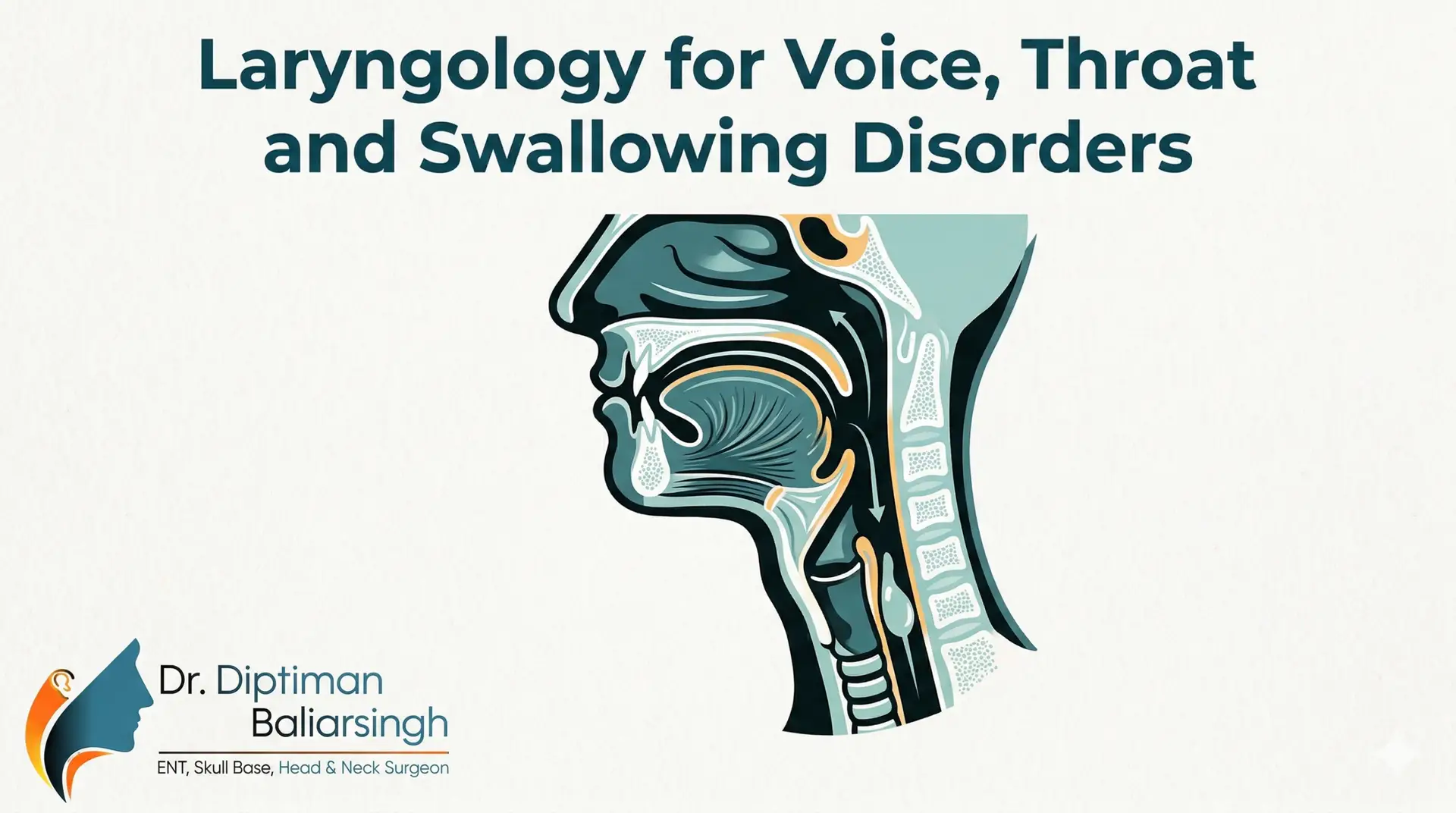
Laryngology is a specialized branch of ENT that focuses on disorders of the larynx (voice box), throat, and related structures involved in speech and swallowing. The larynx plays a vital role in voice production, breathing, and protecting the airway during swallowing, making its proper function essential for daily life.
Conditions affecting this region can lead to voice changes, discomfort, or difficulty swallowing, and often require precise evaluation and targeted treatment to restore normal function.
Laryngology covers a wide range of conditions affecting the voice and throat, including:
Early diagnosis helps prevent long-term voice damage and improves treatment outcomes.
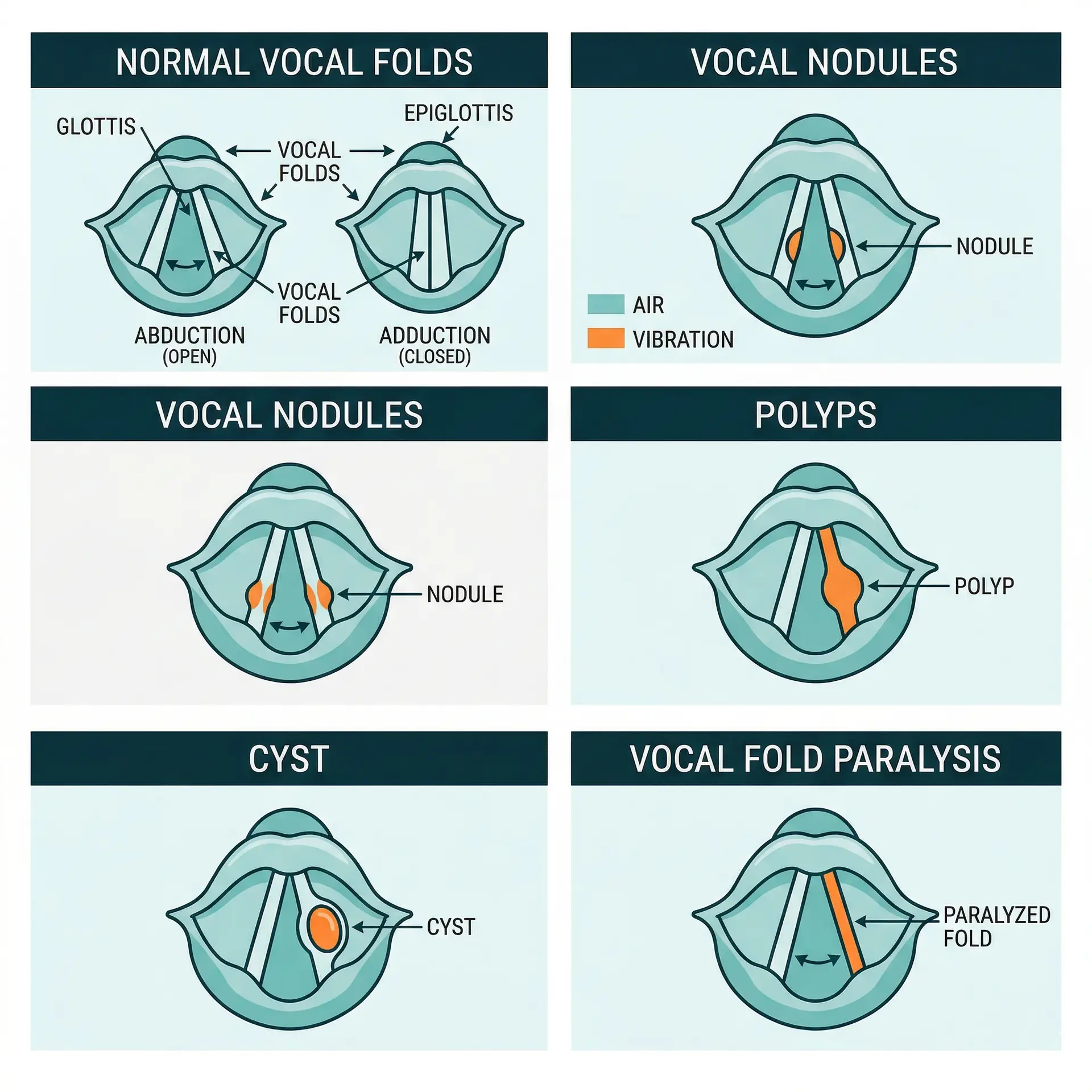
Ongoing changes in voice quality or strain while speaking, often due to vocal cord irritation or overuse.
Pain during speech may indicate inflammation or lesions affecting the vocal cords.
A sensation of food getting stuck or discomfort while swallowing, which may signal throat or laryngeal issues.
Frequent need to clear the throat, often linked to irritation, reflux, or mucus buildup.
Persistent dryness, scratchiness, or burning sensation affecting comfort and voice clarity.
Shortness of breath or noisy breathing may indicate airway narrowing and requires prompt attention.
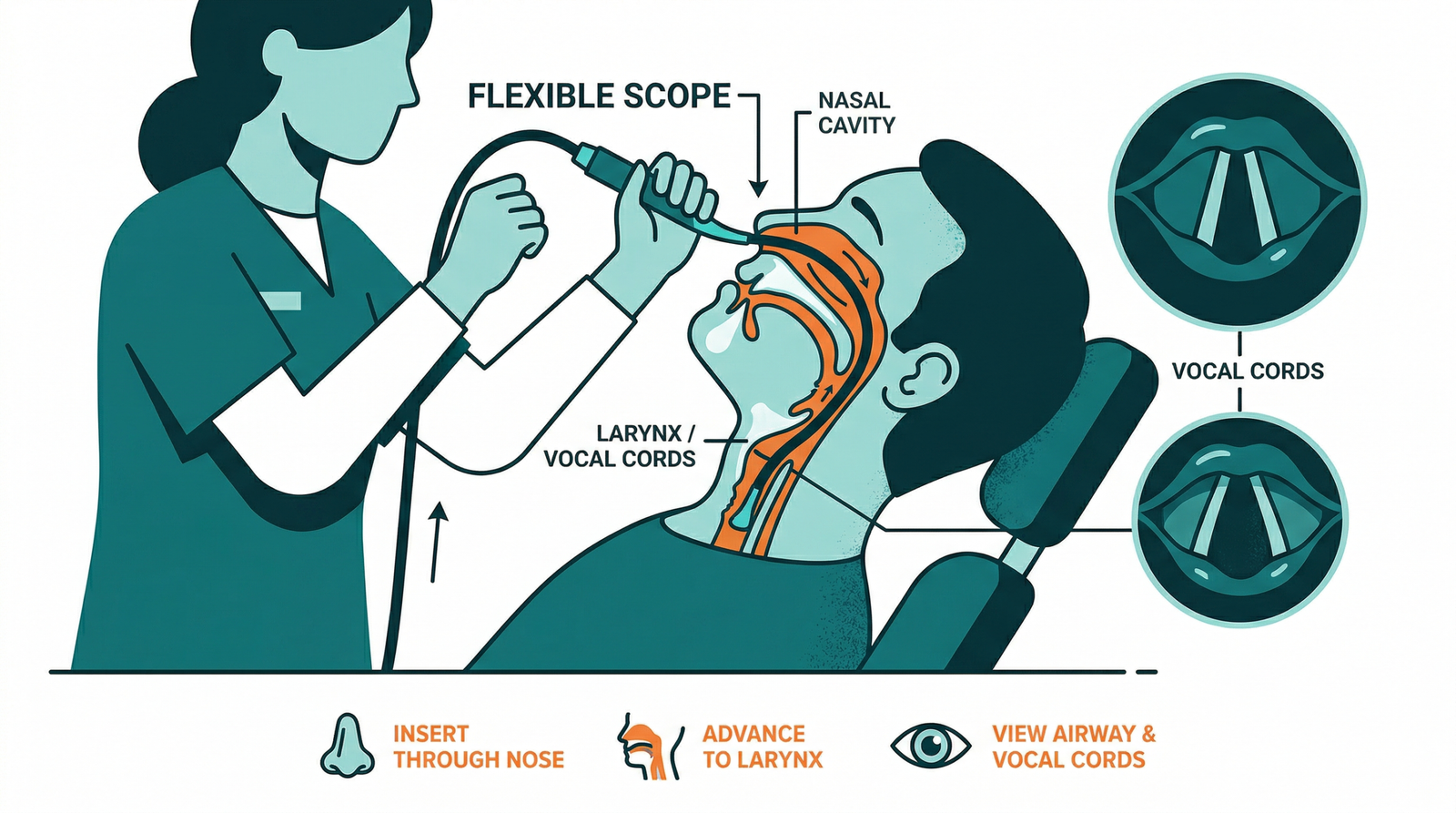
A detailed diagnostic approach is essential to assess voice and throat disorders accurately. Laryngoscopy is a key procedure that allows direct visualization of the vocal cords using a flexible or rigid scope. This helps in identifying structural abnormalities, inflammation, or lesions affecting the larynx. In some cases, stroboscopy may be used to evaluate vocal cord vibration in detail. Additional tests such as imaging studies or swallowing assessments may be recommended depending on the patient’s symptoms and clinical findings.
Treatment depends on the underlying cause and severity of the condition. Many voice and throat disorders can be effectively managed with conservative approaches such as medications to reduce inflammation, control reflux, or treat infections, along with voice therapy to improve vocal technique and reduce strain.
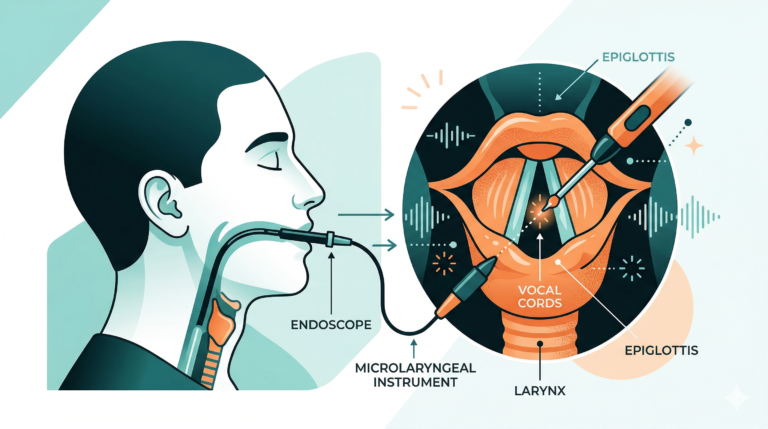
Advanced laryngological procedures may be required for conditions not responding to medical treatment, including microlaryngeal surgery, removal of vocal cord lesions, treatment of vocal cord paralysis, laser procedures, and tumor management. Modern techniques focus on precision while preserving voice quality.
Voice and swallowing disorders can significantly impact communication, nutrition, and overall quality of life. Early diagnosis and appropriate treatment not only prevent complications but also help in faster recovery and better long-term outcomes.
Specialized laryngology care ensures accurate evaluation, personalized treatment, and restoration of optimal voice function.
Yes, many voice disorders can be managed conservatively through:
Laryngology focuses on disorders of the voice box and throat, including:
You should seek evaluation if you notice persistent throat or voice issues such as:
Diagnosis involves specialized examinations to assess the larynx and vocal cords, including:
Treatment depends on the cause and severity of the condition and may include:
Surgery is not always necessary and is recommended only in specific cases such as:
Hoarseness can result from various factors such as:
Maintaining vocal health involves simple habits like: