
- +91 7381040775 / +91 7381030775
- support@drdiptimanent.com
- Mon - Sun : 10AM- 4PM
- Mon - Fri : 6PM-8PM
- JCEM Diagnostics, Tarini Lane, Near Secondary Board High School, Bajrakabati Rd, Cuttack, Odisha – 753001
Effective vertigo treatment is essential for managing symptoms like dizziness and imbalance that can affect daily life. At our specialized vertigo clinic, patients receive expert care including advanced dizziness treatment and targeted balance disorder treatment. With the guidance of an experienced vertigo specialist, we focus on accurate diagnosis and personalized treatment plans to ensure long-term relief and improved quality of life.
Choosing the right vertigo treatment is important for managing persistent dizziness and improving balance in daily life. Our specialized vertigo clinic provides comprehensive care, including advanced dizziness treatment and effective balance disorder treatment tailored to each patient. An experienced vertigo specialist ensures accurate diagnosis and personalized care for long-term relief. Many patients seek reliable vertigo treatment when frequent dizziness disrupts routine activities, and our vertigo clinic offers structured dizziness treatment plans to address these concerns. Proper balance disorder treatment helps restore stability, guided by a qualified vertigo specialist. With growing awareness, more individuals choose expert vertigo treatment to control symptoms of dizziness and prevent complications.
At our vertigo clinic, patients receive targeted dizziness treatment supported by precise balance disorder treatment methods. Each vertigo specialist focuses on delivering safe and effective care for lasting results. By choosing advanced vertigo treatment, patients can manage dizziness better through care provided at a trusted vertigo clinic, supported by expert dizziness treatment, comprehensive balance disorder treatment, and guidance from an experienced vertigo specialist for improved health outcomes.
Effective vertigo treatment helps reduce dizziness and improve balance, allowing patients to return to normal daily activities. With proper diagnosis and care, the right vertigo treatment can provide long-term relief and prevent recurring symptoms.
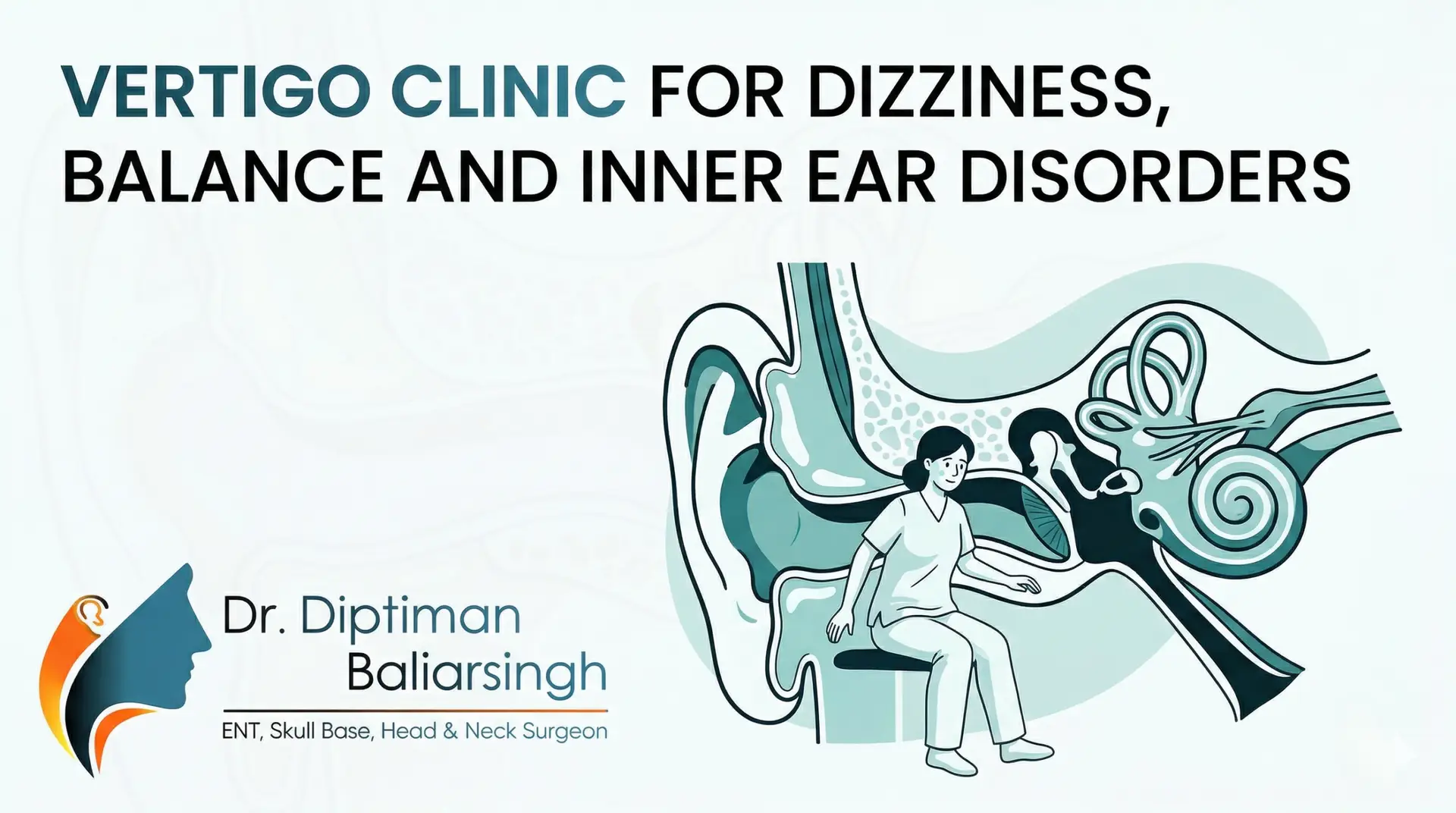
Vertigo is not a disease itself but a symptom that creates a sensation of spinning or movement, often accompanied by imbalance, nausea, or unsteadiness. It commonly arises from problems in the inner ear or the balance system, which plays a crucial role in maintaining body orientation and stability.
At a specialized vertigo clinic, the focus is on identifying the exact cause of dizziness and providing targeted treatment to restore balance and improve quality of life.
Vertigo can result from a variety of conditions affecting the inner ear and vestibular system. Some of the most common causes include:
Each condition requires a different treatment approach, making accurate diagnosis essential.
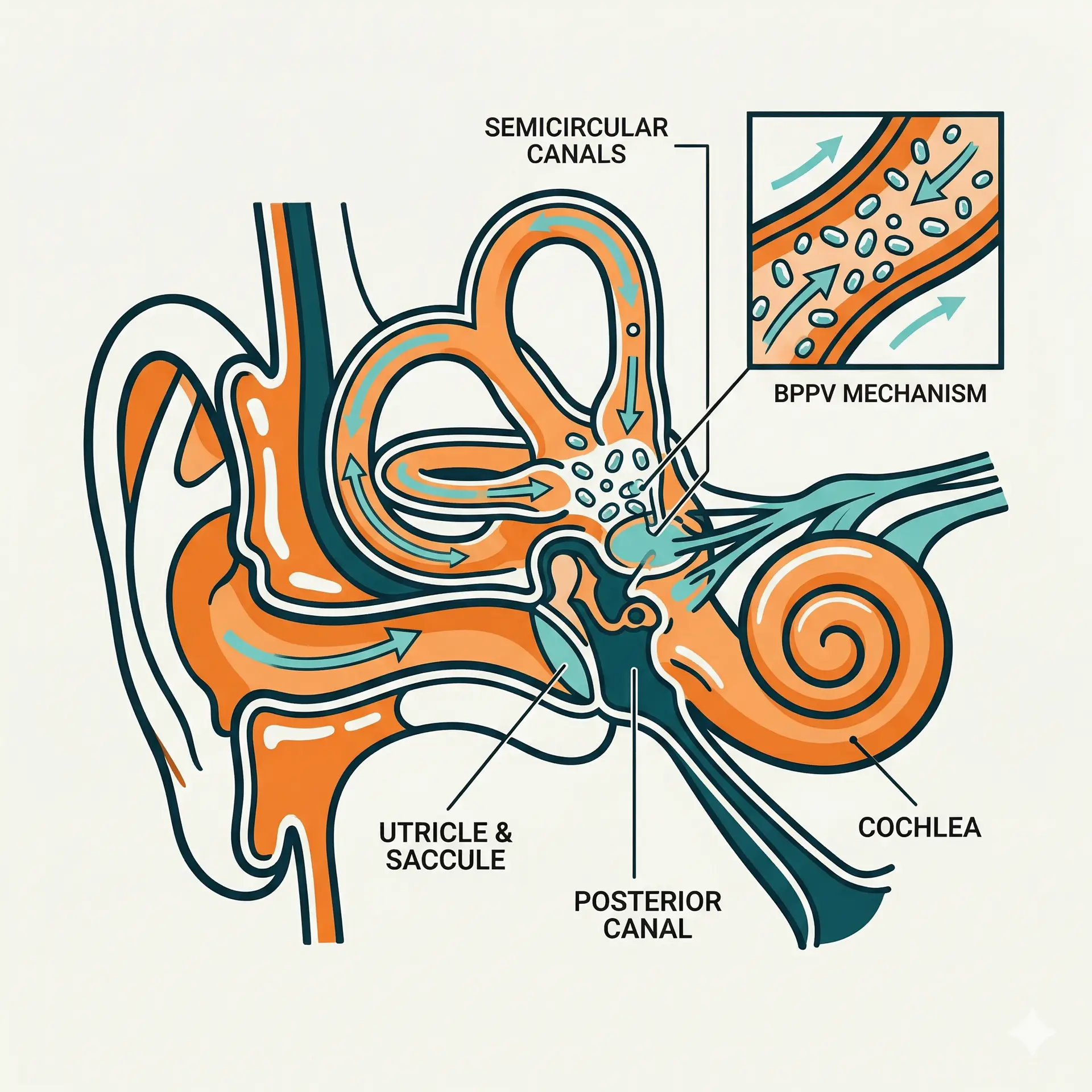
A false feeling that you or your surroundings are moving or rotating.
Difficulty maintaining stability, especially while standing or walking.
Vertigo episodes are often accompanied by nausea and, in some cases, vomiting.
Sudden dizziness triggered by turning the head or changing position.
Unsteady gait or trouble standing upright due to impaired balance.
A feeling of faintness or dizziness that may occur along with vertigo.
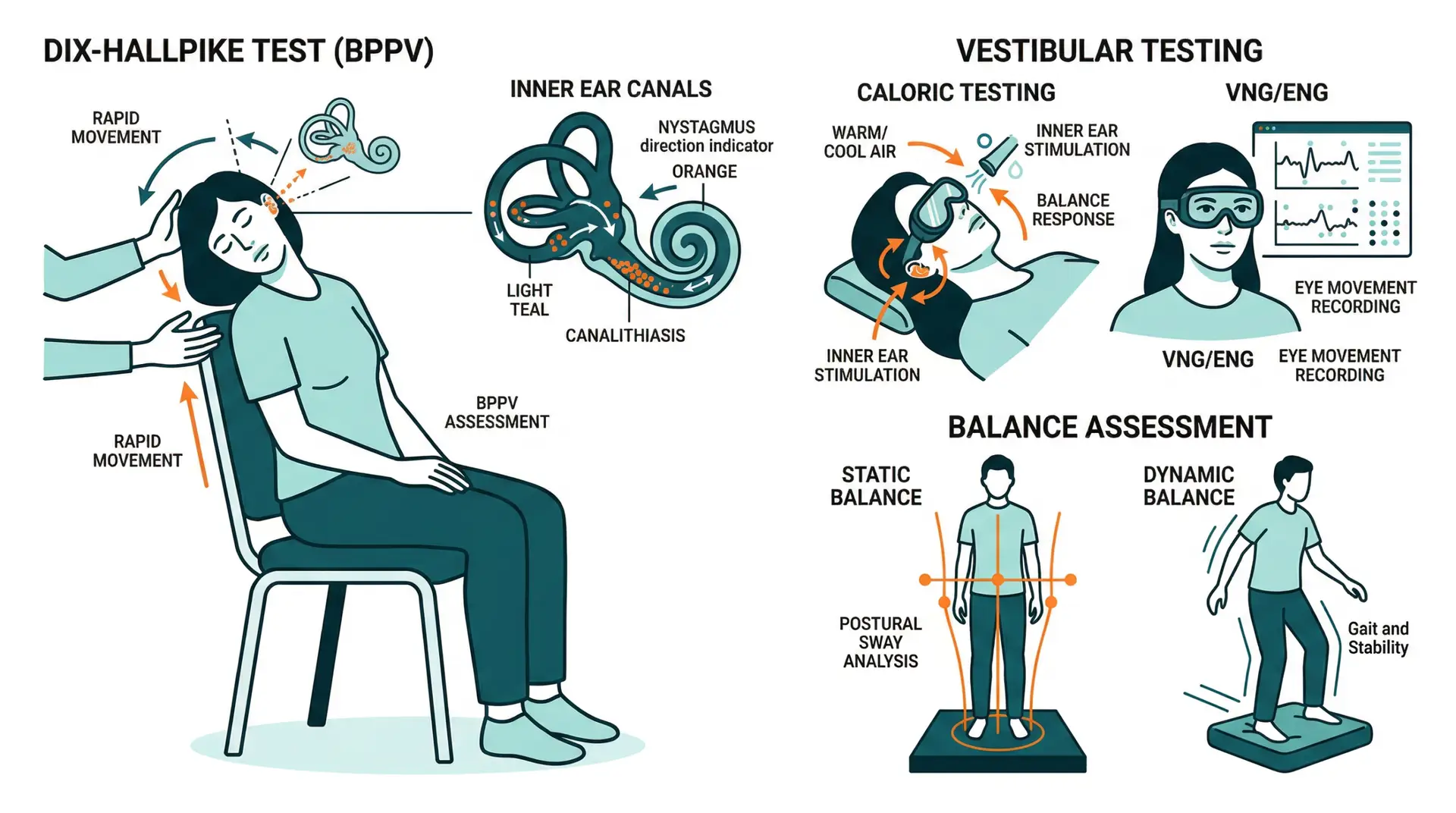
A detailed clinical evaluation is essential to determine the exact cause of vertigo. This includes a thorough history and physical examination, along with specialized tests to assess balance function. Positional tests such as the Dix-Hallpike maneuver help diagnose BPPV, while vestibular assessments evaluate how the inner ear and brain coordinate balance. In selected cases, hearing tests or imaging studies may be recommended to rule out other conditions and ensure accurate diagnosis.
Treatment of vertigo depends on the underlying cause and is often managed effectively without surgery. A combination of therapies may be used to control symptoms and address the root problem. Canal repositioning maneuvers, such as the Epley maneuver, are commonly used for conditions like BPPV to restore normal inner ear function. Medications may be prescribed to relieve dizziness, nausea, and associated discomfort. In addition, vestibular rehabilitation therapy (VRT) helps improve balance and coordination through guided exercises.
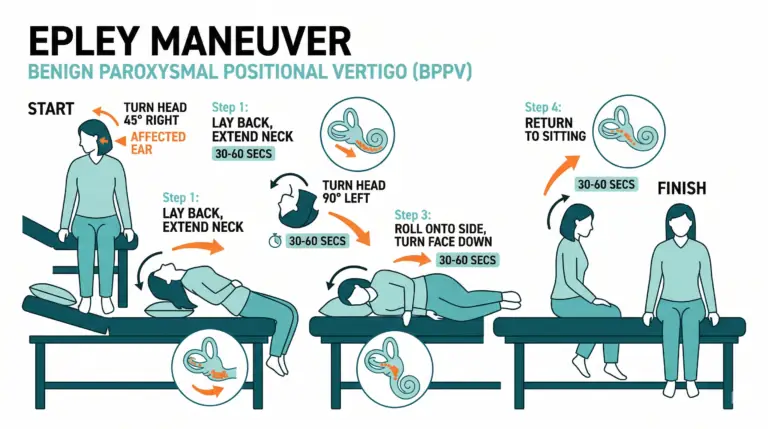
Management also focuses on treating any underlying conditions, such as infections or inflammation affecting the inner ear. Lifestyle modifications, including avoiding triggers, maintaining hydration, and making gradual head movements, can further reduce symptoms. With appropriate treatment, most patients experience significant improvement, allowing them to regain stability and carry out daily activities comfortably.
Vertigo can be distressing and disabling if not properly managed. A dedicated vertigo clinic provides focused evaluation, accurate diagnosis, and personalized treatment strategies that address the root cause rather than just symptoms.
With the right care, most patients experience significant improvement and regain confidence in their daily activities.
Vertigo can range from mild to serious depending on the cause, including:
Vertigo is a specific type of dizziness that creates a spinning sensation, often related to inner ear problems, including:
Vertigo can occur due to various underlying conditions affecting the balance system, such as:
You should seek medical attention if vertigo is frequent, severe, or associated with symptoms like:
Diagnosis involves clinical evaluation and specialized tests to identify the cause, including:
Treatment depends on the cause and may include non-surgical options such as:
The duration of vertigo varies depending on the condition, such as:
While not always preventable, symptoms can be reduced by: