
- +91 7381040775 / +91 7381030775
- support@drdiptimanent.com
- Mon - Sun : 10AM- 4PM
- Mon - Fri : 6PM-8PM
- JCEM Diagnostics, Tarini Lane, Near Secondary Board High School, Bajrakabati Rd, Cuttack, Odisha – 753001
Advanced rhinoplasty surgery is designed to improve both the appearance and function of the nose. Whether you are considering nose reshaping surgery for aesthetic enhancement or functional rhinoplasty to correct breathing issues, our approach ensures safe and effective outcomes. As part of modern facial plastic surgery, we also offer cosmetic nose surgery tailored to individual needs, helping patients achieve better confidence and comfort.
Choosing the right rhinoplasty surgery is essential for achieving both aesthetic and functional improvements. Many patients opt for nose reshaping surgery to enhance facial balance, while others require functional rhinoplasty to improve breathing. As part of advanced facial plastic surgery, procedures are carefully planned to deliver natural-looking results, including specialized cosmetic nose surgery. With growing demand, more individuals are exploring rhinoplasty surgery for long-term benefits. A well-executed nose reshaping surgery can significantly improve appearance, while functional rhinoplasty addresses structural concerns affecting airflow.
Under expert facial plastic surgery techniques, patients receive customized solutions, including precise cosmetic nose surgery. By choosing professional rhinoplasty surgery, patients benefit from a combination of nose reshaping surgery and advanced functional rhinoplasty approaches. Each procedure under facial plastic surgery is designed for safety and effectiveness, ensuring successful cosmetic nose surgery outcomes. Overall, selecting the right rhinoplasty surgery, supported by expert nose reshaping surgery, specialized functional rhinoplasty, advanced facial plastic surgery, and precise cosmetic nose surgery, ensures improved appearance and better breathing function.
Rhinoplasty surgery helps improve the shape and function of the nose, enhancing both appearance and breathing. With expert care, rhinoplasty surgery can deliver natural results and long-term benefits.
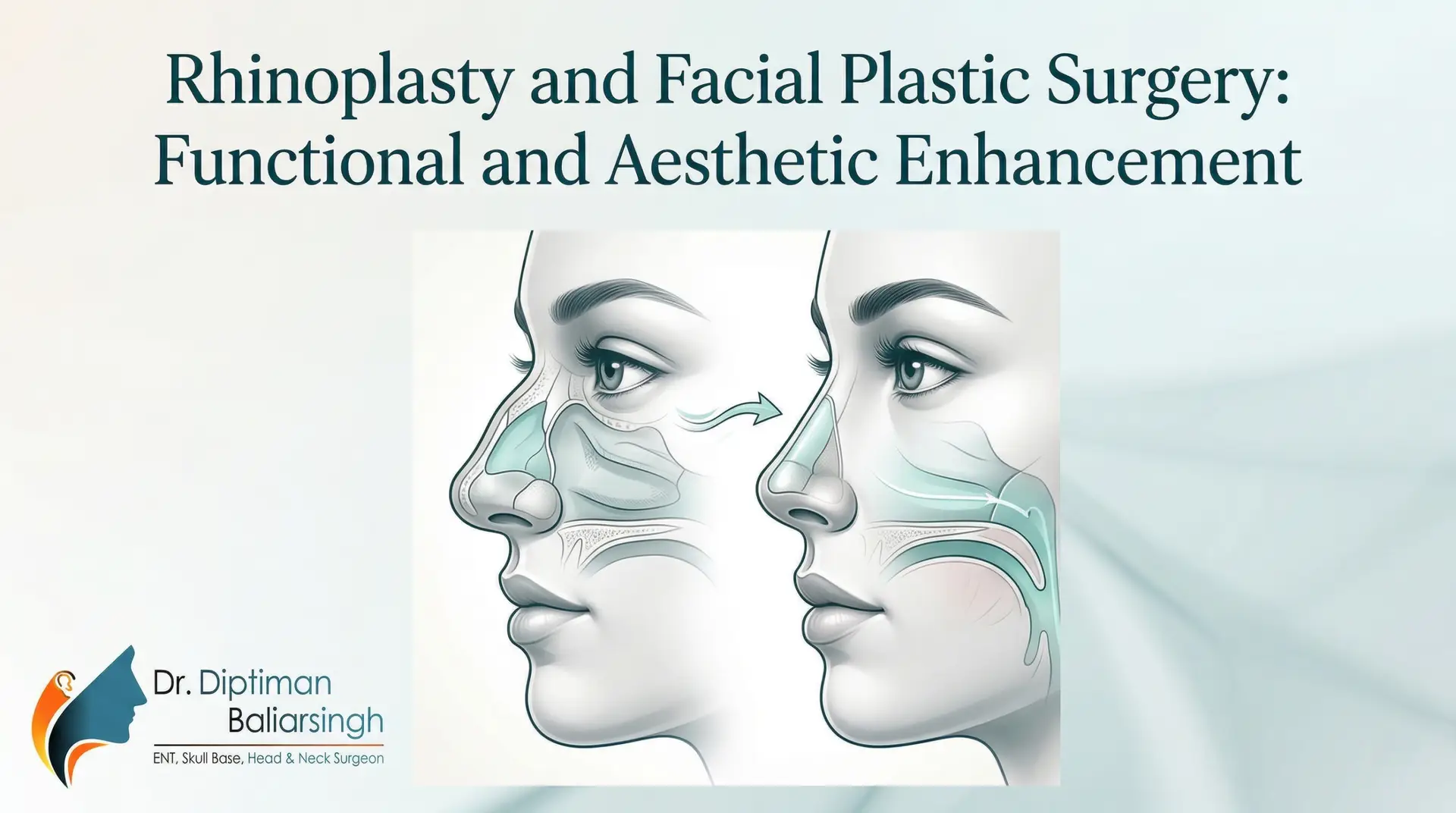
Rhinoplasty and facial plastic surgery focus on improving both the appearance and function of the face, particularly the nose and related structures. While many patients seek these procedures for cosmetic enhancement, they are equally important in correcting breathing issues, structural deformities, and post-traumatic changes.
Modern facial plastic surgery combines medical precision with aesthetic expertise, ensuring natural-looking results that complement individual facial features while preserving or improving function.
A wide range of procedures are performed to address both cosmetic and functional concerns:
Each procedure is carefully planned to achieve balanced and harmonious facial proportions.
Nasal blockage due to structural issues can affect airflow and may require corrective surgery.
A bent septum can restrict airflow and lead to breathing difficulty or chronic congestion.
Changes in nasal shape due to trauma may affect both appearance and function.
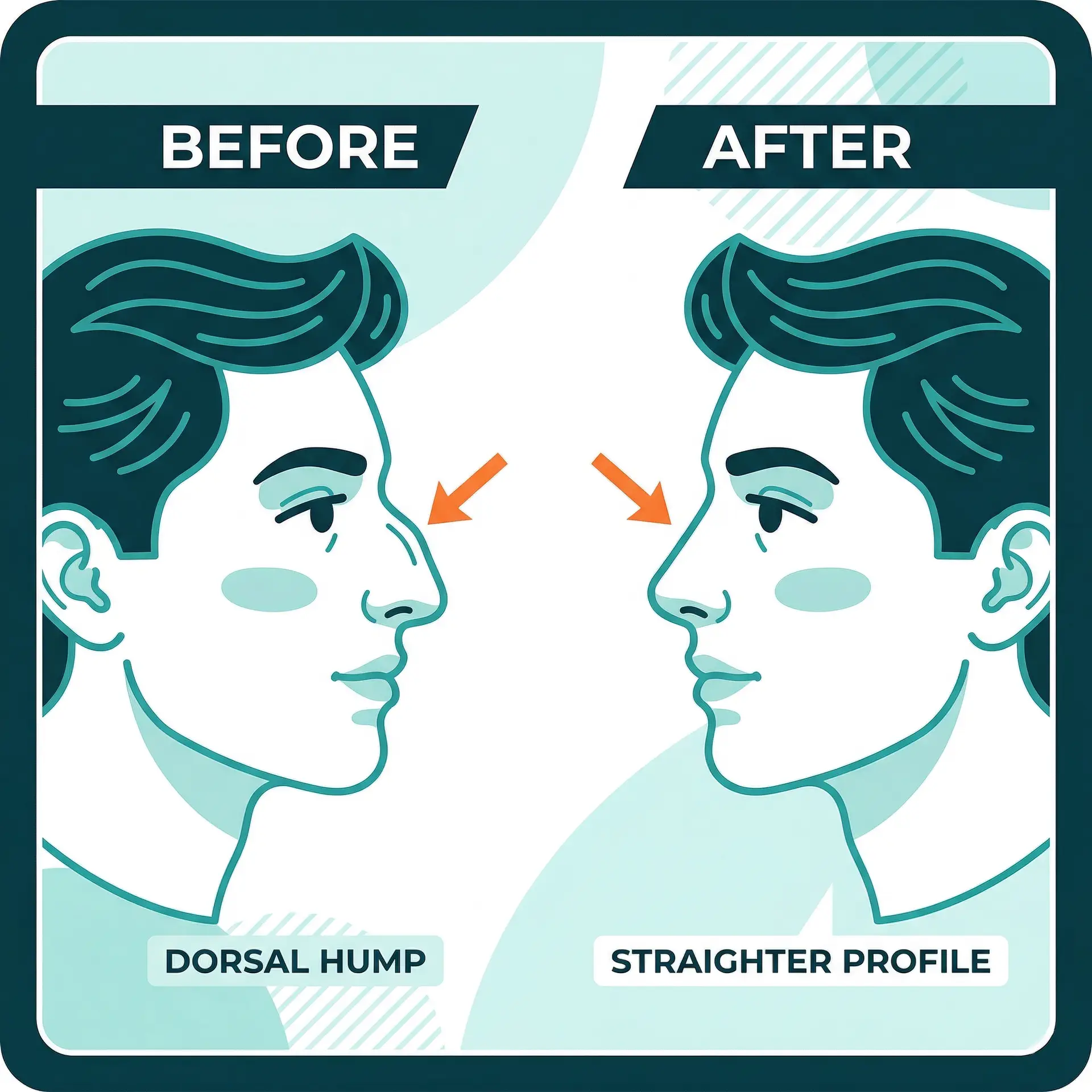
Concerns about nasal appearance, including size, hump, or tip shape, can be corrected surgically.
Imbalance in facial features may be addressed through reconstructive or aesthetic procedures.
Surgery may be considered when both breathing issues and aesthetic concerns need to be addressed simultaneously.
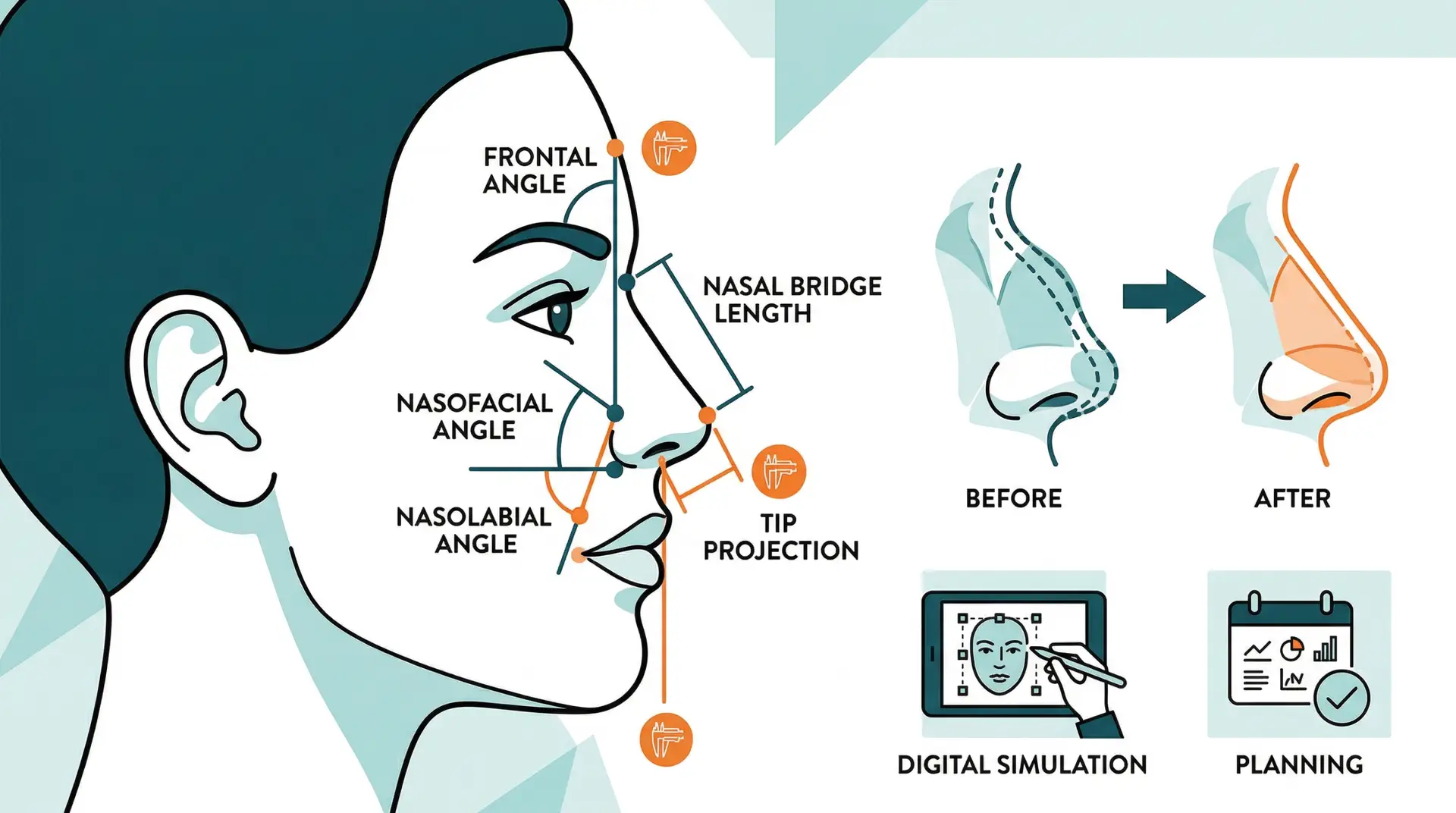
Careful evaluation is essential before any facial procedure. This includes detailed facial analysis, assessment of nasal structure, and understanding the patient’s goals. Advanced planning techniques, including imaging and simulation in some cases, help visualize expected outcomes and guide surgical precision. This step ensures realistic expectations and personalized treatment planning.
Rhinoplasty and facial plastic procedures are performed using advanced techniques designed to deliver natural and long-lasting results. Depending on the case, either open or closed surgical approaches may be used.
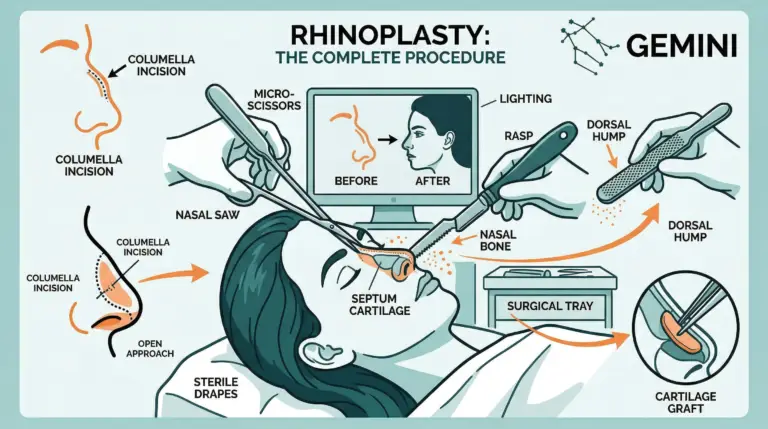
Common rhinoplasty and facial plastic surgery techniques focus on both functional correction and aesthetic refinement. These may include reshaping the nasal bones and cartilage to improve structure, correcting a deviated septum to enhance airflow, and refining the nasal tip and bridge for better proportion and appearance. In cases of injury or congenital defects, reconstructive procedures help restore both form and function, while soft tissue adjustments further improve overall facial contour and symmetry.
Modern surgical approaches emphasize precision, minimal scarring, and preservation of natural facial harmony. Techniques are carefully tailored to each patient to ensure that the results look balanced and natural while also addressing any underlying functional concerns.
Recovery varies depending on the procedure, but most patients can return to normal activities within a short period. Swelling gradually reduces over time, revealing the final results. The goal is to achieve a balanced, natural appearance along with improved function, especially in cases involving breathing correction.
Facial plastic surgery is not just about changing appearance—it is about enhancing confidence while maintaining individuality. A well-planned procedure ensures results that are subtle, natural, and in harmony with the patient’s overall facial features.
Most modern techniques avoid visible scarring by:
Rhinoplasty is a surgical procedure to improve the shape and function of the nose, including:
You may consider rhinoplasty if you have concerns such as:
Careful planning is essential to achieve natural results and includes:
Recovery varies by individual, but generally involves:
Yes, rhinoplasty results are long-lasting, especially when performed with precision, offering:
Yes, functional rhinoplasty can improve airflow by:
Rhinoplasty is generally safe when performed by an expert, offering: