
- +91 7381040775 / +91 7381030775
- support@drdiptimanent.com
- Mon - Sun : 10AM- 4PM
- Mon - Fri : 6PM-8PM
- JCEM Diagnostics, Tarini Lane, Near Secondary Board High School, Bajrakabati Rd, Cuttack, Odisha – 753001
Advanced sleep apnea surgery offers an effective solution for patients struggling with breathing interruptions during sleep. Our clinic provides comprehensive snoring treatment and personalized sleep apnea treatment to improve sleep quality and overall health. In cases where non-surgical options are not effective, snoring surgery may be recommended under expert sleep apnea ENT care to ensure safe and lasting results.
Choosing the right sleep apnea surgery is essential for managing breathing disorders and improving sleep quality. Many patients initially explore snoring treatment and non-invasive sleep apnea treatment, but persistent cases may require advanced snoring surgery under expert sleep apnea ENT care. With increasing awareness, more individuals are considering sleep apnea surgery as a reliable solution when snoring treatment does not provide relief. Comprehensive sleep apnea treatment includes both medical and surgical approaches, where snoring surgery plays a key role in restoring airway function. A qualified sleep apnea ENT specialist ensures accurate diagnosis and personalized care.
Patients benefit from structured sleep apnea surgery plans supported by effective snoring treatment and targeted sleep apnea treatment. In complex cases, snoring surgery is performed to correct airway obstruction with guidance from experienced sleep apnea ENT professionals. By understanding the need for sleep apnea surgery, patients can take informed decisions along with ongoing snoring treatment and proper sleep apnea treatment. With expert support, snoring surgery becomes a safe option under specialized sleep apnea ENT care. Overall, combining sleep apnea surgery, consistent snoring treatment, comprehensive sleep apnea treatment, precise snoring surgery, and expert sleep apnea ENT guidance ensures better long-term outcomes and improved quality of life.
Effective snoring treatment and proper sleep apnea treatment are essential for improving sleep quality and overall health. In cases where symptoms persist, advanced snoring surgery may be recommended under expert sleep apnea ENT care to ensure safe and long-term relief.
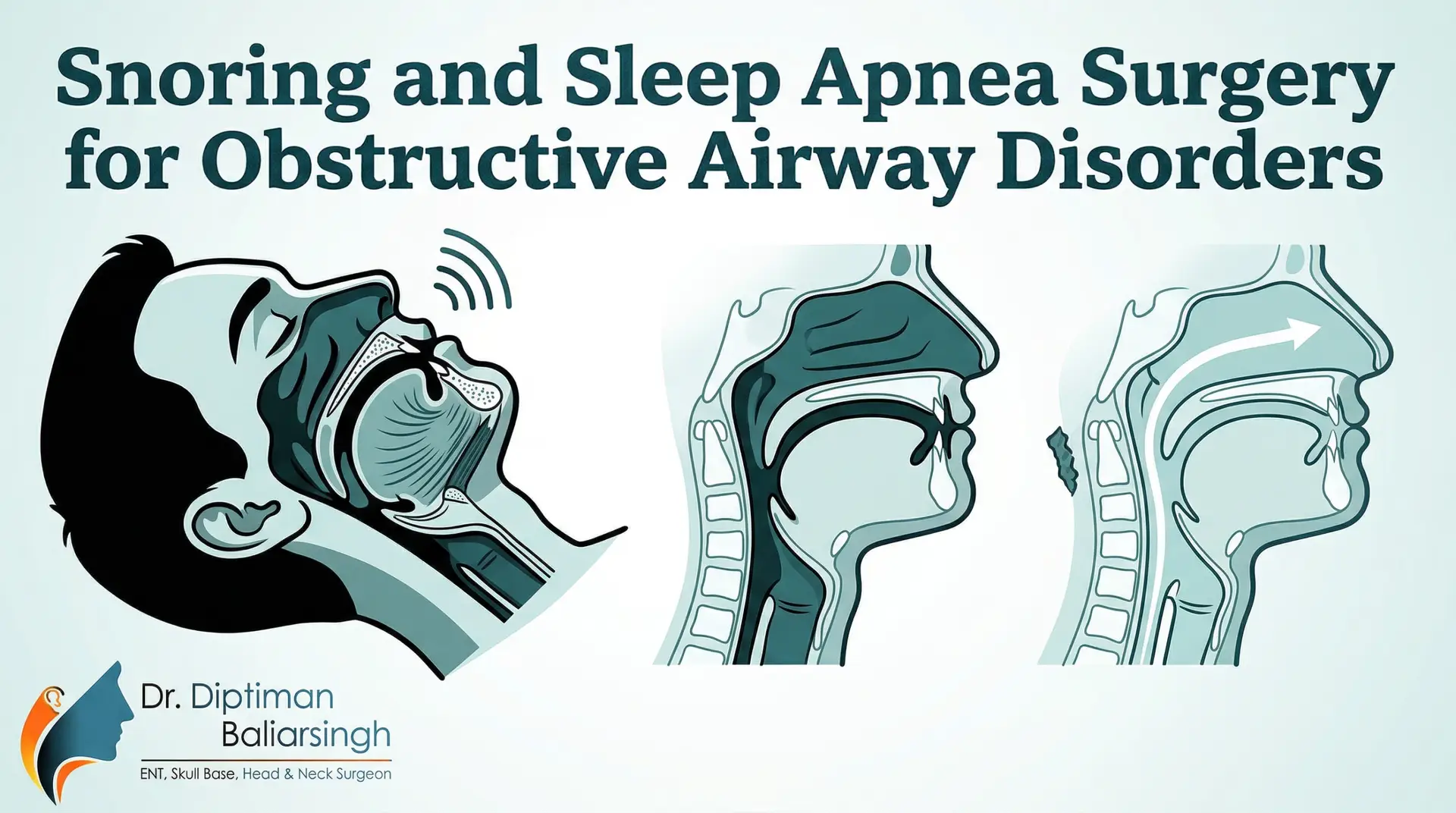
Snoring is often considered a common and harmless problem, but in many cases, it may indicate an underlying condition known as obstructive sleep apnea (OSA). This occurs when the airway becomes partially or completely blocked during sleep, leading to repeated interruptions in breathing.
Over time, untreated sleep apnea can affect overall health, causing fatigue, poor concentration, and increasing the risk of serious conditions such as hypertension and heart disease. Recognizing the difference between simple snoring and a medical condition is the first step toward effective treatment.
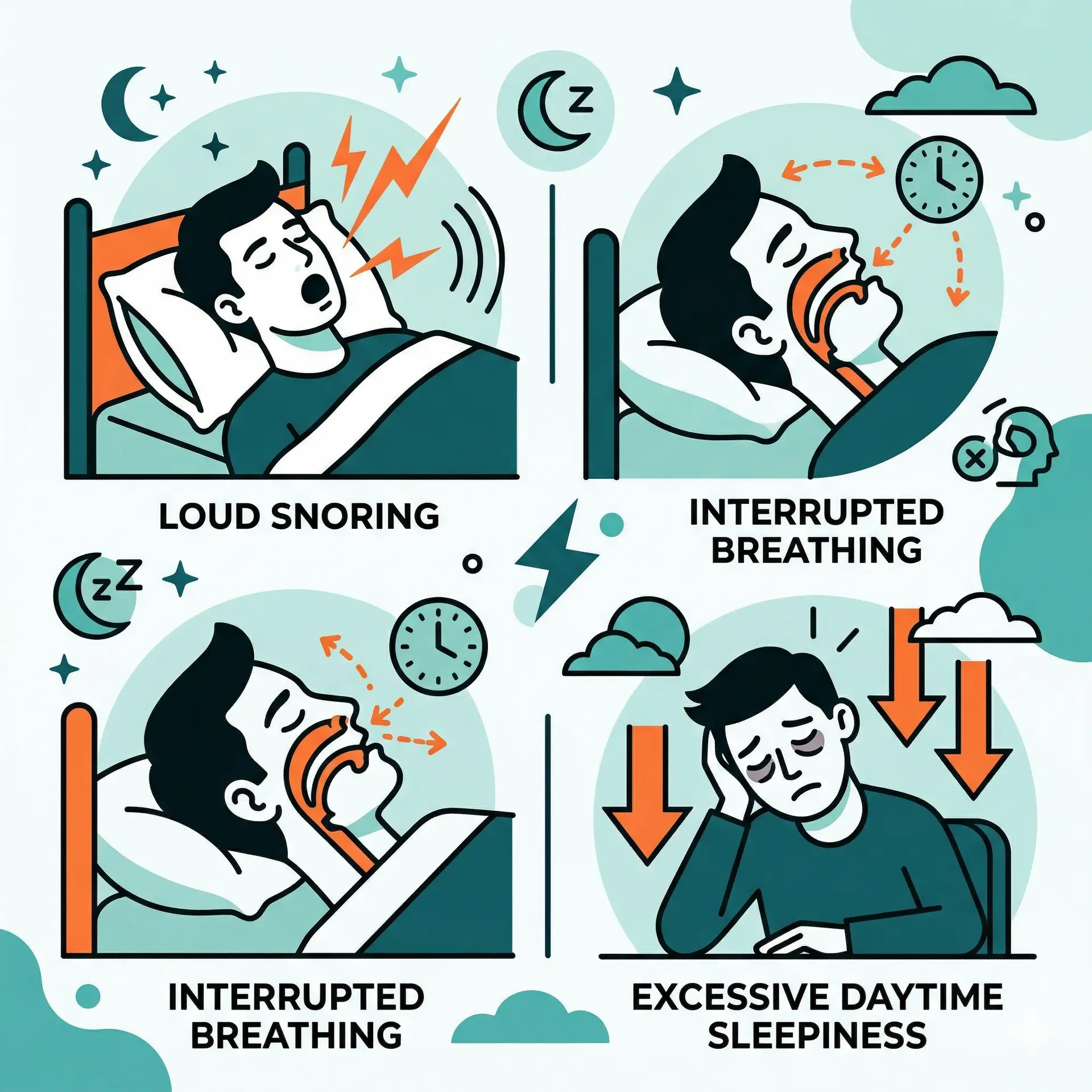
Patients with snoring or sleep apnea may experience a range of symptoms, including:
These symptoms can significantly impact daily life and should not be ignored.
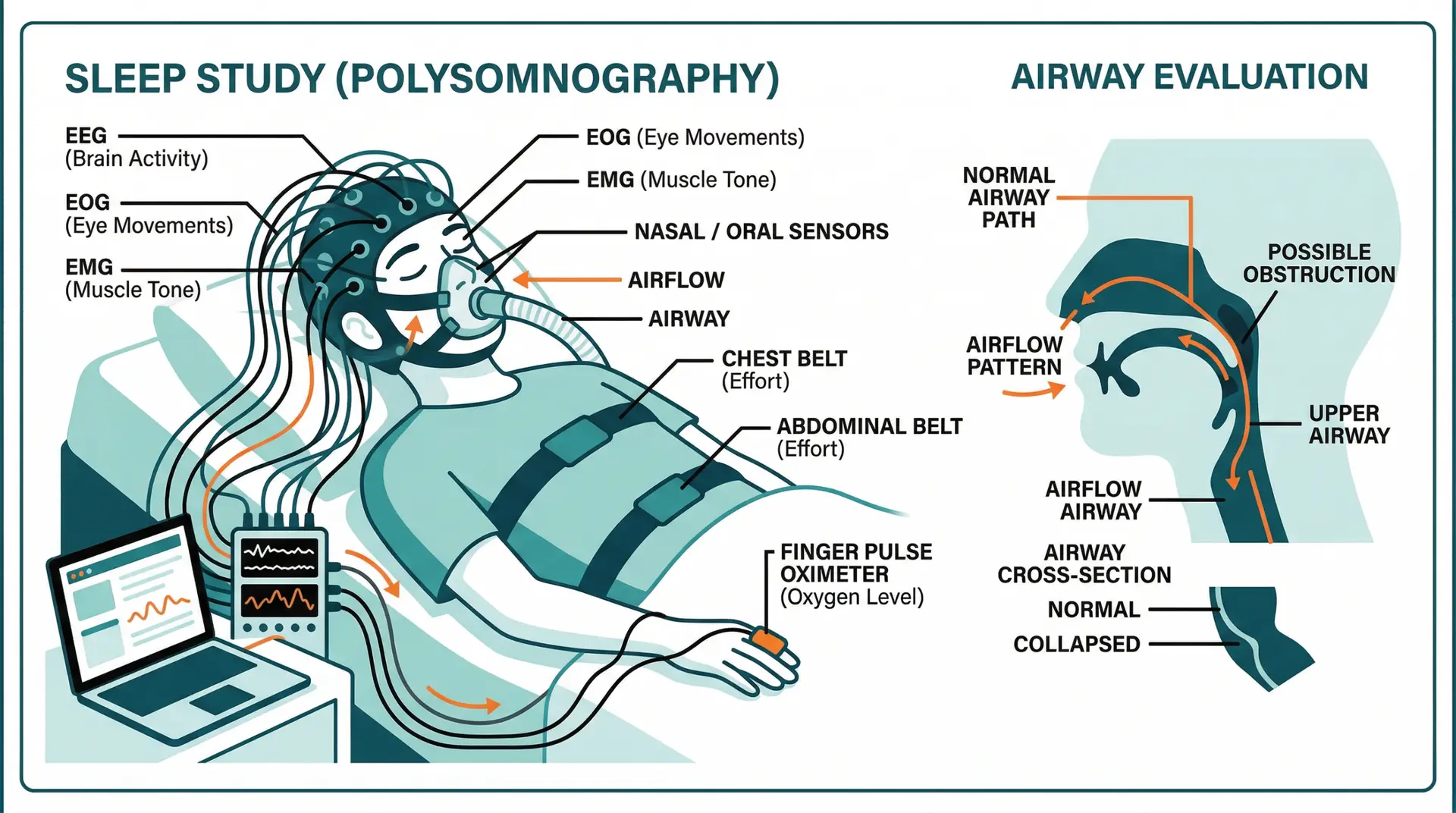
A comprehensive assessment is required to diagnose sleep apnea accurately. This often includes a sleep study (polysomnography), which monitors breathing patterns, oxygen levels, and sleep stages throughout the night. Clinical examination of the nose, throat, and airway helps identify structural causes of obstruction. In some cases, imaging or endoscopic evaluation may be performed to further assess airway anatomy and pinpoint the site of blockage.
Treatment depends on the severity of the condition and the underlying cause. Mild cases may be managed with lifestyle modifications, medical therapy, or devices such as CPAP (Continuous Positive Airway Pressure), which helps keep the airway open during sleep.
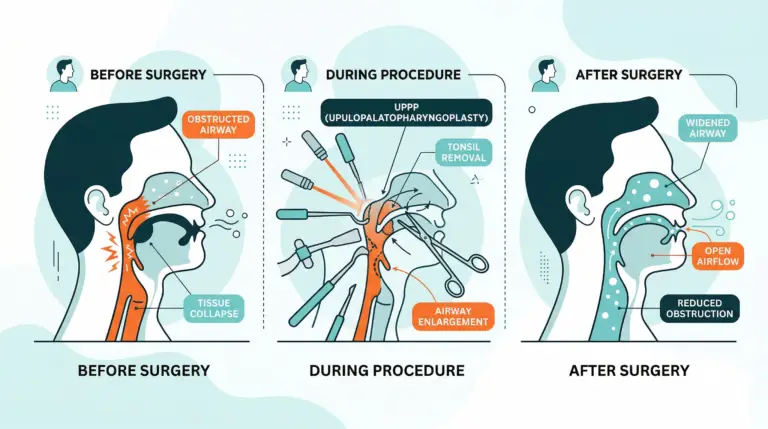
For patients who do not respond to conservative treatment or have structural airway obstruction, surgical intervention may be recommended. Surgical options include:
Corrects a deviated nasal septum to improve airflow and reduce nasal blockage.
Removal of enlarged tonsils or adenoids to clear airway obstruction and improve breathing.
Reshapes tissues in the throat to widen the airway and reduce snoring and apnea episodes.
Reduces excess tissue at the base of the tongue to prevent airway collapse during sleep.
Specialized procedures for severe cases to improve airflow and maintain airway stability.
A surgical procedure that repositions the upper and lower jaw forward to enlarge the airway and treat severe sleep apnea.
These procedures aim to widen the airway, improve airflow, and restore normal breathing during sleep.
Effective management of snoring and sleep apnea can significantly improve overall health and quality of life. Patients often experience better sleep, increased energy levels, improved concentration, and reduced long-term health risks.
Sleep apnea is a progressive condition that can worsen over time if left untreated. Early diagnosis and appropriate intervention not only improve sleep quality but also help prevent complications related to heart health and metabolism.
With proper evaluation and personalized treatment, patients can achieve restful sleep and long-term well-being.
Yes, simple lifestyle changes can help reduce snoring, such as:
Snoring is a sound caused by airway vibration, while sleep apnea is a medical condition involving breathing pauses during sleep, including:
You should consult a specialist if snoring is associated with symptoms such as:
Diagnosis typically involves a detailed evaluation and sleep study, including:
Treatment depends on severity and cause, and may include:
Surgery is considered when conservative treatments are ineffective or in cases of structural blockage, such as:
No, CPAP is recommended mainly for moderate to severe cases, while others may benefit from:
Yes, untreated sleep apnea can lead to serious health issues like: