- +91 7381040775 / +91 7381030775
- support@drdiptimanent.com
- Monday - Sunday : 10AM- 4PM
- Monday - Friday : 6PM-8PM
- JCEM Diagnostics, Tarini Lane, Near Secondary Board High School, Bajrakabati Rd, Cuttack, Odisha – 753001
Advanced head neck surgery plays a crucial role in treating complex conditions affecting the head and neck region. A skilled head neck surgeon provides expert care for conditions requiring head neck cancer surgery, along with specialized procedures like thyroid surgery and salivary gland surgery. With a focus on precision and patient safety, our approach ensures effective treatment and improved outcomes.
Choosing expert head neck surgery ensures effective management of complex conditions affecting vital structures. An experienced head neck surgeon provides accurate diagnosis and performs advanced head neck cancer surgery for better outcomes. Many patients require specialized procedures such as thyroid surgery and precise salivary gland surgery to address underlying issues. With growing demand, more individuals seek reliable head neck surgery guided by a skilled head neck surgeon. Each case of head neck cancer surgery is carefully planned to ensure safe and effective results, while thyroid surgery helps manage gland-related conditions.
Proper salivary gland surgery restores function and reduces discomfort. Patients rely on expert head neck surgery for comprehensive care from a qualified head neck surgeon, supported by advanced head neck cancer surgery techniques. Procedures like thyroid surgery and salivary gland surgery are performed with precision to ensure long-term benefits. Overall, selecting the right head neck surgery, guided by an experienced head neck surgeon, along with advanced head neck cancer surgery, specialized thyroid surgery, and effective salivary gland surgery, ensures improved health outcomes and better quality of life.
Advanced head neck surgery is essential for treating complex conditions affecting the region. A skilled head neck surgeon performs precise head neck cancer surgery along with specialized thyroid surgery and effective salivary gland surgery. Many patients choose head neck surgery for reliable care from an experienced head neck surgeon, especially when head neck cancer surgery is required. Proper thyroid surgery and accurate salivary gland surgery help improve long-term outcomes. With growing demand, head neck surgery supported by a qualified head neck surgeon ensures safe head neck cancer surgery and effective thyroid surgery. Each salivary gland surgery is carefully planned for better recovery. Patients rely on head neck surgery guided by an expert head neck surgeon, supported by advanced head neck cancer surgery, precise thyroid surgery, and reliable salivary gland surgery for improved health.
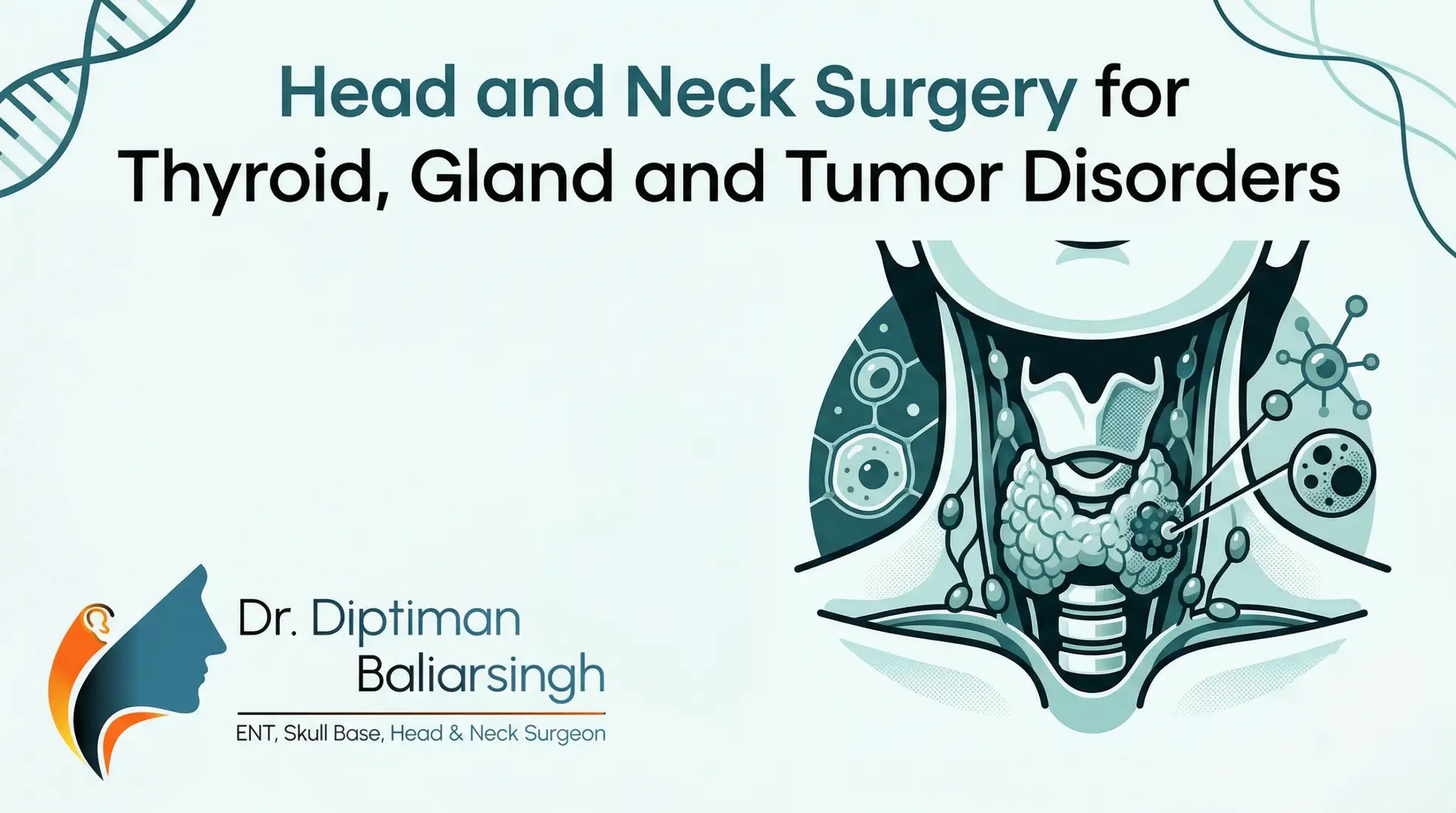
Head and neck surgery is a specialized field focused on the diagnosis and surgical management of conditions affecting the thyroid gland, salivary glands, lymph nodes, and various structures of the head and neck region. These areas are complex and closely related to vital functions such as breathing, swallowing, speech, and appearance.
With advancements in surgical techniques, many procedures today are performed with high precision, improved safety, and better functional and cosmetic outcomes.
This specialty covers a wide range of conditions, including both benign and malignant disorders:
Early evaluation is critical, especially in cases involving persistent swelling or suspected tumors.
A lump in the neck that does not resolve may require evaluation to rule out infections or more serious conditions.
Trouble swallowing or a sensation of food sticking can indicate issues in the throat or esophagus.
Ongoing changes in voice may signal involvement of the vocal cords or surrounding structures.
Chronic bad breath that does not improve with hygiene may be linked to infections or lesions in the oral cavity.
Sores in the mouth that do not heal over time should be examined to rule out serious conditions.
Persistent pain, especially if one-sided, may be referred pain from deeper head and neck structures.
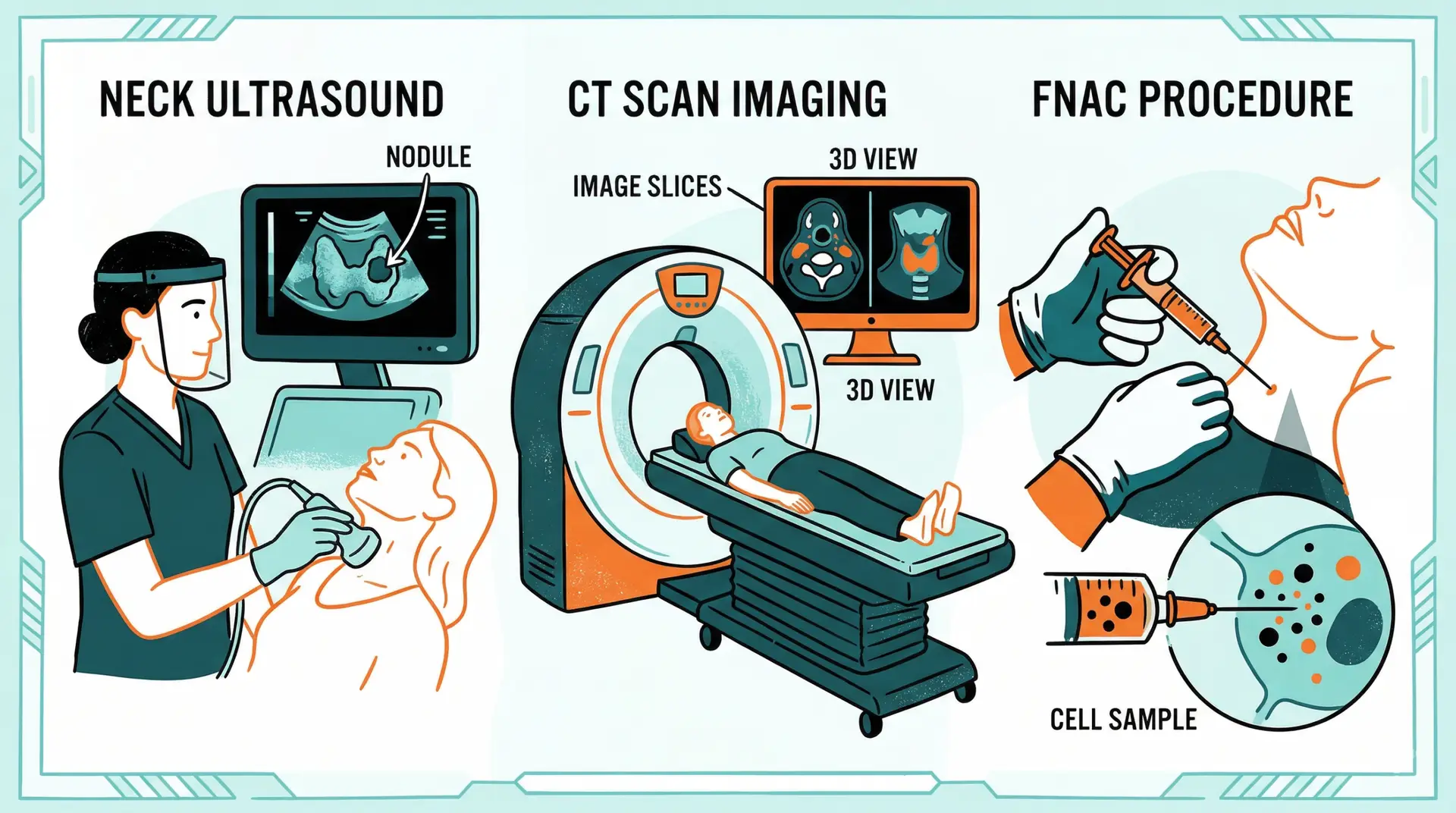
A detailed diagnostic approach is essential to determine the nature and extent of the disease. Clinical examination is often supported by imaging techniques such as ultrasound, CT scan, or MRI to assess the size, location, and spread of the condition. Fine Needle Aspiration Cytology (FNAC) is commonly performed to evaluate lumps or nodules and determine whether they are benign or malignant. These investigations help guide precise treatment planning and surgical decision-making.
Treatment depends on the diagnosis, stage of disease, and patient-specific factors. While some conditions may be managed conservatively or with medications, many require surgical intervention for definitive treatment.
Head and neck conditions often require a multidisciplinary approach involving ENT specialists, surgeons, radiologists, and oncologists. Modern surgical care emphasizes precision, safety, and preservation of essential functions such as speech and swallowing.
Advanced techniques and careful planning help achieve optimal outcomes while minimizing complications.
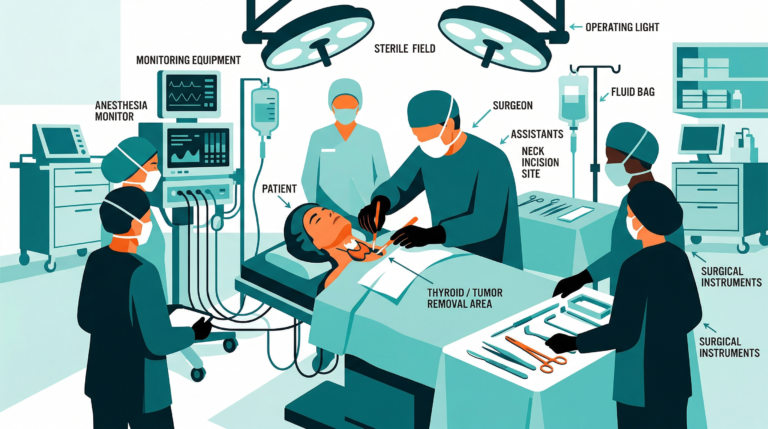
Common head and neck surgical procedures include thyroidectomy, removal of salivary gland tumors, excision of neck masses or cysts, lymph node dissection, and tumor removal in head and neck cancers. These procedures are performed with a focus on effectively treating the condition while preserving vital structures.
In selected cases, reconstructive surgery may be done to restore function and appearance, helping maintain essential activities such as speaking, swallowing, and breathing.
Early diagnosis plays a vital role in successful treatment, especially in cases of tumors and cancers. Recognizing symptoms early and seeking timely medical advice can significantly improve prognosis and recovery.
With specialized care, patients benefit from accurate diagnosis, effective treatment, and improved quality of life.
No, most neck lumps are benign and may include:
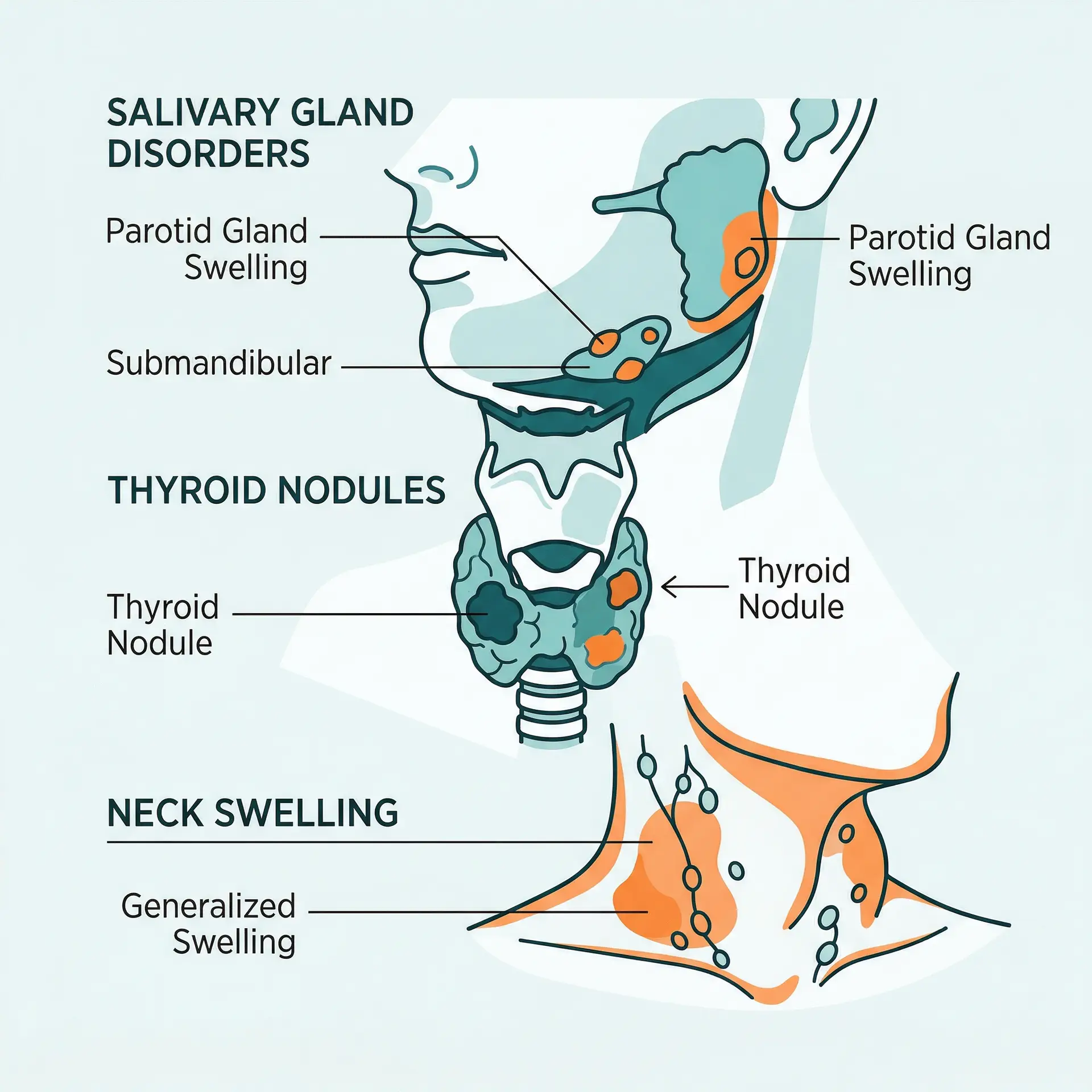
Head and neck surgery deals with a wide range of conditions affecting glands and tissues, including:
Certain symptoms in the head and neck region may indicate serious conditions, such as:
Diagnosis involves clinical examination along with advanced investigations like:
Treatment often involves surgery depending on the condition, including:
Modern head and neck surgeries are performed with advanced techniques ensuring:
FNAC is a simple diagnostic test used to evaluate lumps by:
Modern techniques aim to preserve function and appearance by: