
- +91 7381040775 / +91 7381030775
- support@drdiptimanent.com
- Monday - Sunday : 10AM- 4PM
- Monday - Friday : 6PM-8PM
- JCEM Diagnostics, Tarini Lane, Near Secondary Board High School, Bajrakabati Rd, Cuttack, Odisha – 753001
Pain while swallowing is a common symptom that may develop due to infection, inflammation, or irritation affecting the throat. Many people experience sore throat pain, persistent throat irritation, or swallowing difficulty while eating, drinking, or even swallowing saliva. In some cases, a severe tonsil infection can also cause fever, swelling, and intense discomfort in the throat. Early diagnosis and proper treatment are important to prevent complications and improve comfort during swallowing.
Persistent pain while swallowing may occur due to tonsil infection, chronic throat irritation, or severe sore throat pain affecting daily activities. Many patients also develop swallowing difficulty while eating or drinking because of throat inflammation. Early treatment for pain while swallowing, proper management of tonsil infection, control of throat irritation, and relief from sore throat pain can improve recovery and reduce long-term swallowing difficulty in both children and adults.

Frequent pain while swallowing should not be ignored because persistent sore throat pain and ongoing throat irritation may indicate an underlying ENT condition. In many cases, severe tonsil infection can lead to fever, swelling, and increased swallowing difficulty during meals or speaking. Early evaluation for pain while swallowing, proper treatment of tonsil infection, control of throat irritation, and relief from sore throat pain can help reduce discomfort and improve swallowing difficulty before complications develop.
Many people with persistent pain while swallowing also experience severe sore throat pain, dryness, and continuous throat irritation throughout the day. Infections such as tonsil infection may worsen symptoms and increase swallowing difficulty while eating or drinking. Proper diagnosis of pain while swallowing, early treatment for tonsil infection, and management of chronic throat irritation help reduce sore throat pain and improve overall comfort. Addressing swallowing difficulty early can also prevent further throat complications and support faster recovery.
Pain while swallowing, medically known as odynophagia, is a symptom that should never be ignored when it becomes frequent or persistent. While mild throat discomfort can occur during seasonal infections or colds, ongoing pain may indicate an underlying ENT condition that requires proper evaluation.
Normally, swallowing food, liquids, or saliva should happen comfortably and without difficulty. However, when inflammation, infection, or irritation affects the throat, tonsils, or nearby structures, swallowing may become painful.
In some people, the pain may feel sharp and sudden. In others, it may develop slowly and worsen over time. Because several ear, nose, and throat conditions are interconnected, identifying the exact cause is important for proper treatment.
Depending on the underlying condition, the symptoms may vary from person to person.
Many people experience:
In addition, some individuals may notice that the pain becomes worse while eating spicy foods, drinking very cold beverages, or swallowing dry foods.
Several ENT-related conditions can trigger throat pain and swallowing discomfort. Some causes are temporary, while others may need medical treatment.
Common causes include:
In some cases, dehydration and excessive voice strain can also increase throat irritation.
Because the throat contains delicate tissues and muscles, even minor inflammation may cause significant discomfort during swallowing.
Yes, swollen or infected tonsils are one of the most common reasons for painful swallowing.
When the tonsils become inflamed, they may cause:
Children and young adults commonly experience tonsillitis, although adults can also develop it.
If tonsil infections happen repeatedly, an ENT specialist may recommend further evaluation or treatment options.
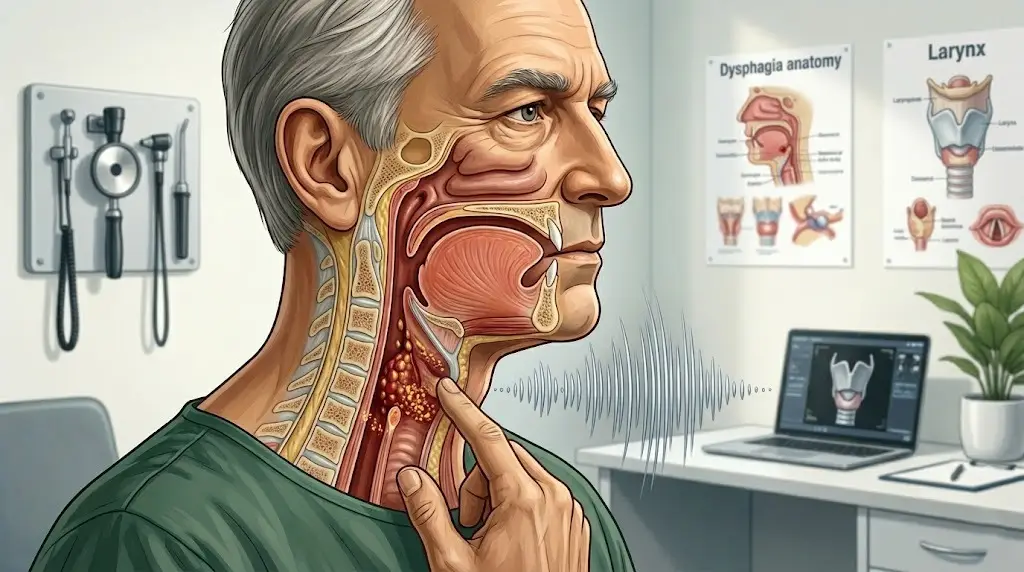
Although mild throat pain often improves within a few days, certain warning signs should not be ignored.
You should consult an ENT specialist if you experience:
Early diagnosis is important because some serious throat conditions may initially appear as simple swallowing pain.
Yes, the ears and throat share connected nerve pathways. As a result, throat infections or inflammation may sometimes cause referred pain in the ears.
Because of this connection, people may notice:
In many cases, the ears themselves may appear normal, while the actual problem originates in the throat or tonsils.
An ENT examination helps determine the exact source of the pain.
To identify the underlying cause, an ENT specialist performs a detailed examination of the throat, ears, nose, and neck.
This evaluation may include:
In addition, the doctor may ask about smoking habits, acid reflux symptoms, allergies, or previous throat infections.
Proper diagnosis helps ensure the correct treatment and prevents complications.
Fortunately, certain home care measures may help reduce throat irritation and improve comfort.
You can try the following:
In addition, maintaining good oral hygiene can help lower the risk of infections that contribute to throat pain.
Some symptoms may indicate a more serious condition and require urgent medical care.
Seek immediate medical attention if you experience:
Prompt treatment can help prevent serious complications and provide faster relief.
If you are experiencing voice changes, hoarseness, or throat discomfort, it is important not to ignore the symptoms. Proper diagnosis and timely treatment can help protect your voice and improve your quality of life.
Dr. Diptiman – ENT Specialist
📍Clinic: JCEM Diagnostics, Tarini Lane, Near Secondary Board High School, Bajrakabati Rd, Cuttack, Odisha – 753001
📞 Call: 9438436775
📧 Email: support@drdiptimanent.com
🌐 Website: Dr. Diptiman ENT
