
- +91 94384 36775
- support@drdiptimanent.com
- Monday - Sunday : 9AM- 4PM
- Monday - Saturday : 6PM-8PM, Thursday Closed
- JCEM Diagnostics, Tarini Lane, Near Secondary Board High School, Bajrakabati Rd, Cuttack, Odisha – 753001
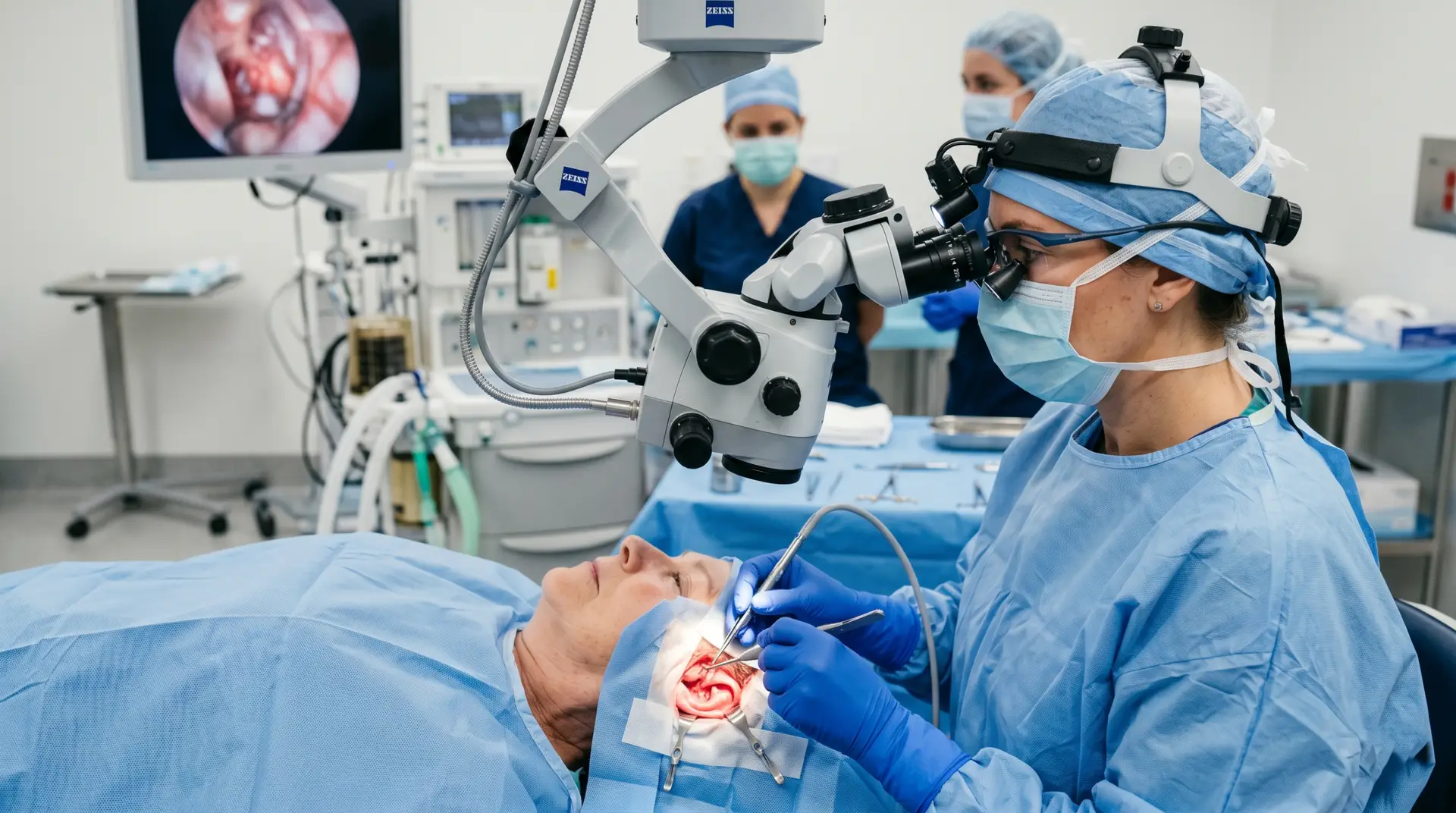
Sleep apnea is a common sleep disorder that causes repeated interruptions in breathing during sleep. Although many people associate sleep apnea with loud snoring and poor sleep quality, its effects can extend far beyond the bedroom.
In fact, untreated sleep apnea can significantly impact heart health over time. Because breathing repeatedly stops and starts during sleep, the body experiences reduced oxygen levels, placing extra stress on the cardiovascular system.
As a result, individuals with sleep apnea may face a higher risk of developing several serious heart-related conditions.
Sleep apnea occurs when breathing repeatedly pauses during sleep. The most common type is obstructive sleep apnea (OSA), which happens when the muscles in the throat relax and temporarily block the airway.
Common symptoms may include:
Because these breathing interruptions can happen dozens or even hundreds of times per night, the body often struggles to get adequate oxygen.
During an apnea episode, oxygen levels in the blood decrease. At the same time, the brain signals the body to wake up briefly and restore normal breathing.
Consequently, these repeated oxygen drops and sleep disruptions place significant strain on the heart and blood vessels.
Over time, sleep apnea may:
Therefore, untreated sleep apnea is considered an important risk factor for cardiovascular disease.
One of the strongest links between sleep apnea and heart health is high blood pressure.
Normally, blood pressure decreases during sleep. However, frequent breathing interruptions can prevent this natural drop from occurring.
As a result, individuals with sleep apnea often develop persistent or difficult-to-control hypertension.
In many cases, treating sleep apnea may help improve blood pressure control and reduce cardiovascular strain.
Sleep apnea can also contribute to the development of coronary artery disease.
Because repeated oxygen deprivation causes stress on blood vessels, it may accelerate the buildup of plaque inside the arteries.
Consequently, blood flow to the heart may become restricted, increasing the risk of:
For this reason, many cardiologists routinely evaluate patients with heart disease for underlying sleep apnea.
Sleep apnea has also been associated with abnormal heart rhythms, known as arrhythmias.
Repeated oxygen fluctuations may affect the electrical activity of the heart, increasing the likelihood of rhythm disturbances.
Common examples include:
Furthermore, individuals with untreated sleep apnea may experience recurring arrhythmias even after treatment for heart rhythm disorders.
Heart failure occurs when the heart cannot pump blood efficiently throughout the body.
Research has shown that sleep apnea can both contribute to heart failure and worsen existing heart conditions.
Because the heart must work harder during repeated breathing interruptions, long-term strain may gradually weaken heart function.
Therefore, identifying and managing sleep apnea can be an important part of heart failure treatment.
Sleep apnea may also increase the risk of stroke.
Repeated oxygen deprivation and elevated blood pressure can damage blood vessels and affect circulation to the brain.
As a result, people with untreated sleep apnea may have a greater likelihood of experiencing:
Early diagnosis and treatment can help reduce these risks.
If sleep apnea is suspected, an ENT specialist or sleep medicine specialist may recommend a sleep study.
The evaluation may include:
These tests help determine the severity of sleep apnea and guide appropriate treatment.
Fortunately, effective treatments are available for most patients.
Depending on the cause and severity, treatment may include:
Additionally, treating sleep apnea may improve both sleep quality and cardiovascular health.
You should seek medical evaluation if you experience:
Early diagnosis can help prevent long-term complications and improve overall quality of life.
In many cases, yes. Proper treatment of sleep apnea may reduce cardiovascular stress, improve oxygen levels, and support healthier blood pressure control.
Moreover, timely intervention can lower the risk of serious heart-related complications while improving sleep quality and daily functioning.
Because sleep apnea often develops gradually, recognizing the symptoms early and seeking expert care can play an important role in protecting both sleep and heart health.
If you are experiencing voice changes, hoarseness, or throat discomfort, it is important not to ignore the symptoms. Proper diagnosis and timely treatment can help protect your voice and improve your quality of life.
Dr. Diptiman – ENT Specialist
📍Clinic: JCEM Diagnostics, Tarini Lane, Near Secondary Board High School, Bajrakabati Rd, Cuttack, Odisha – 753001
📞 Call: 9438436775
📧 Email: support@drdiptimanent.com
🌐 Website: Dr. Diptiman ENT
