
- +91 7381040775 / +91 7381030775
- support@drdiptimanent.com
- Mon - Sun : 10AM- 4PM
- Mon - Fri : 6PM-8PM
- JCEM Diagnostics, Tarini Lane, Near Secondary Board High School, Bajrakabati Rd, Cuttack, Odisha – 753001
Speech delay hearing problems can affect a child’s communication, learning ability, and overall development. Conditions such as child hearing loss, repeated ear infections, and other hearing problems may interfere with normal speech and language learning. In many cases, parents first notice delayed speech when a child struggles to respond to sounds or pronounce words clearly. Early diagnosis and treatment are important to improve hearing and support healthy speech development.
Many children with speech delay hearing issues also experience child hearing loss caused by repeated ear infections and long-term hearing problems. These conditions may lead to persistent delayed speech and difficulty understanding language. Early treatment of speech delay hearing, proper management of child hearing loss, control of ear infections, and diagnosis of underlying hearing problems can improve communication skills and reduce the risk of severe delayed speech in growing children.
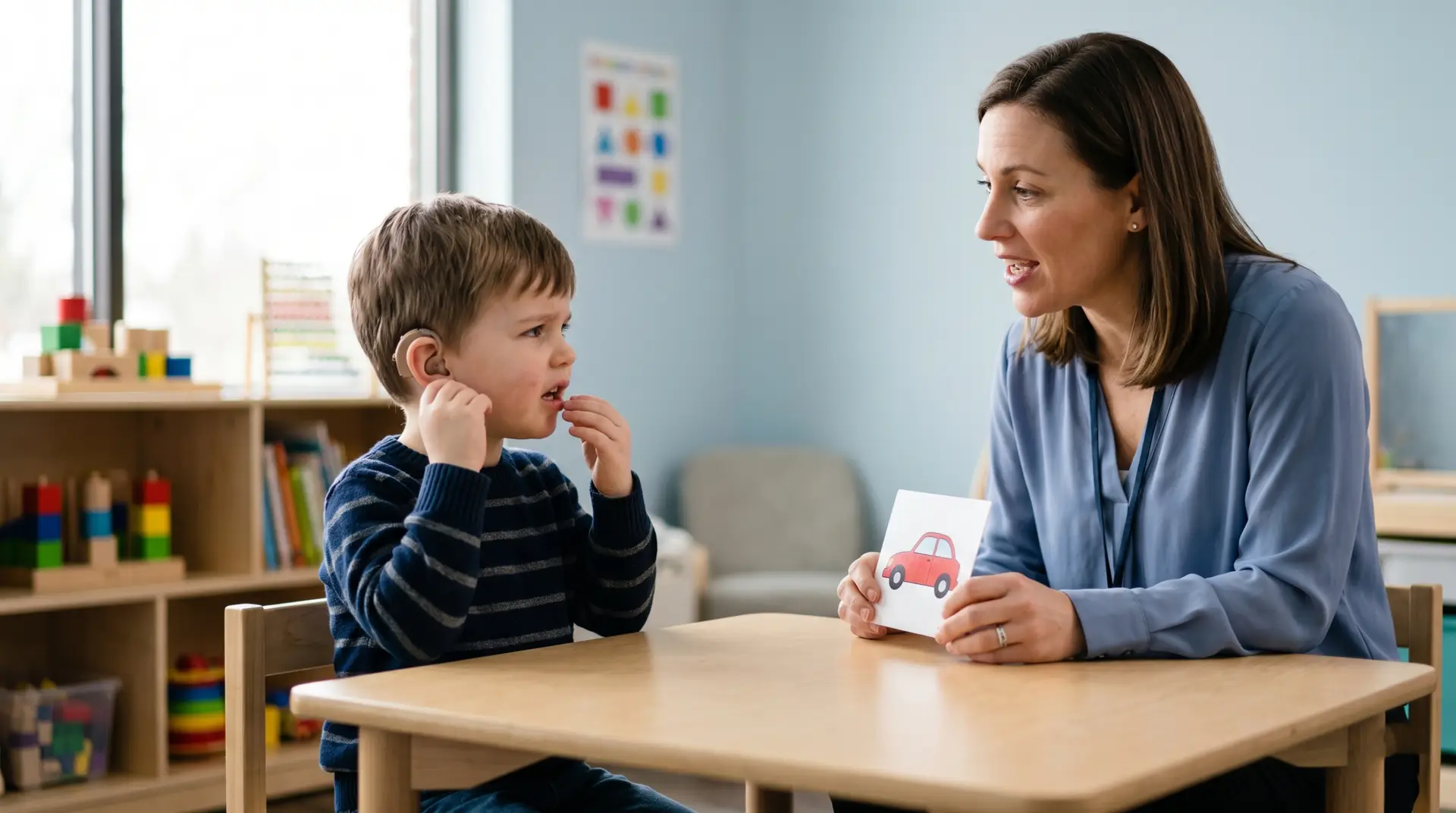
Persistent speech delay hearing concerns should not be ignored because untreated child hearing loss and repeated ear infections may affect communication and learning ability. Many children with ongoing hearing problems develop noticeable delayed speech and difficulty responding to sounds or instructions. Early evaluation for speech delay hearing, proper treatment of child hearing loss, control of chronic ear infections, and management of other hearing problems can significantly improve speech clarity and reduce long-term delayed speech complications in children.
Speech and language development play an important role in a child’s overall growth. Children learn to speak by listening to sounds, words, and conversations around them. However, when hearing problems affect this process, speech development may become delayed.
In many cases, parents may first notice that a child is not responding properly to sounds or is unable to speak clearly compared to other children of the same age. Although every child develops differently, persistent speech delay should not be ignored.
Early diagnosis and treatment can greatly improve communication skills and learning ability.
Hearing is closely connected to speech and language learning. A child must hear sounds clearly in order to understand words and imitate speech.
When hearing becomes reduced, the brain may not receive sounds properly. As a result, the child may struggle to:
Because of this, even mild hearing problems can sometimes affect speech development over time.
The symptoms may vary depending on the child’s age and the severity of hearing loss.
Parents should watch for signs such as:
In infants, warning signs may include reduced response to loud sounds or lack of babbling by the expected age.
Several conditions can affect hearing and contribute to delayed speech development.
Common causes include:
In some cases, temporary hearing loss due to middle ear infections may also affect speech if it happens repeatedly.
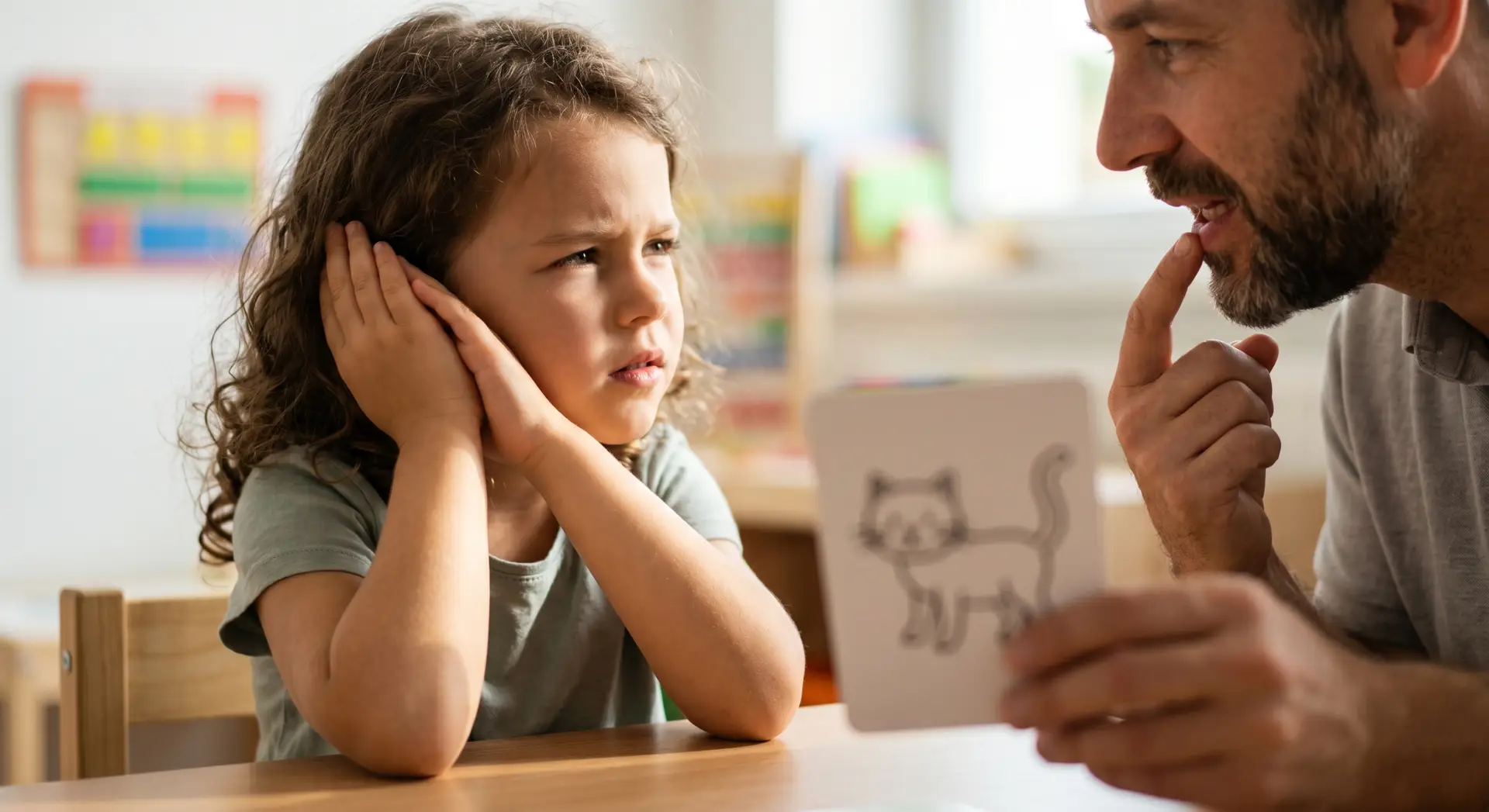
The first few years of life are critical for speech and language development. Therefore, identifying hearing problems early is extremely important.
If hearing issues remain untreated, children may experience:
Fortunately, early medical care and speech support can significantly improve outcomes.
An ENT specialist can evaluate the child’s ears, hearing ability, and speech concerns through a detailed assessment.
This may include:
In addition, the doctor may ask about the child’s developmental milestones and family history.
Proper diagnosis helps identify whether hearing loss is temporary or long-term.
Treatment depends on the underlying cause of the hearing problem.
Common treatment options may include:
In many children, timely treatment can improve hearing and support better speech development.
Parents play an important role in helping children improve communication skills.
You can support your child by:
In addition, creating a calm and interactive environment can help children learn language more effectively.
You should seek medical evaluation if your child:
Early evaluation helps identify hearing issues before they significantly affect learning and development.
If you are experiencing voice changes, hoarseness, or throat discomfort, it is important not to ignore the symptoms. Proper diagnosis and timely treatment can help protect your voice and improve your quality of life.
Dr. Diptiman – ENT Specialist
📍Clinic: JCEM Diagnostics, Tarini Lane, Near Secondary Board High School, Bajrakabati Rd, Cuttack, Odisha – 753001
📞 Call: 9438436775
📧 Email: support@drdiptimanent.com
🌐 Website: Dr. Diptiman ENT
