
- +91 7381040775 / +91 7381030775
- support@drdiptimanent.com
- Mon - Sun : 10AM- 4PM
- Mon - Fri : 6PM-8PM
- JCEM Diagnostics, Tarini Lane, Near Secondary Board High School, Bajrakabati Rd, Cuttack, Odisha – 753001
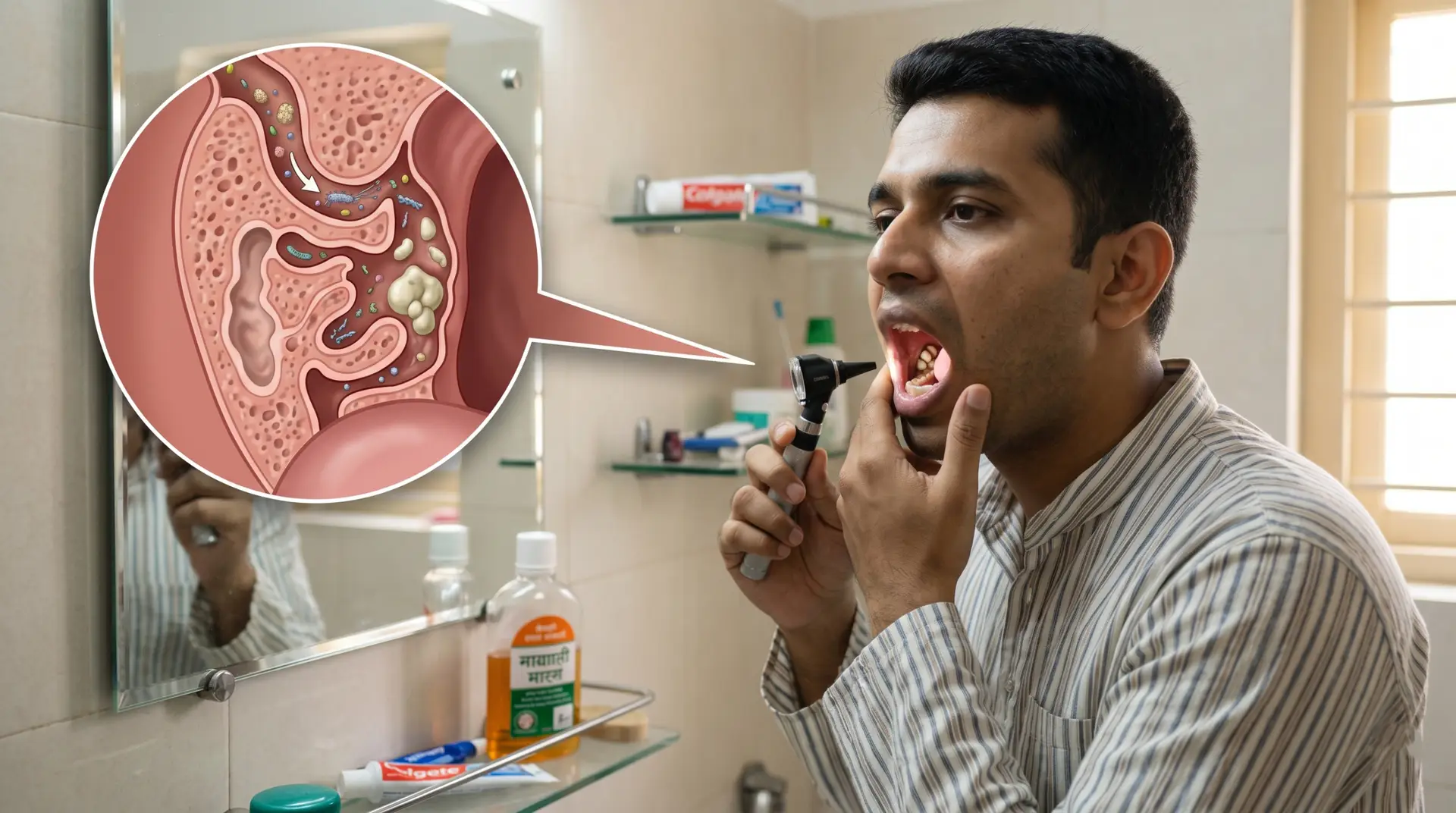
Recurring Tonsil Stones are a common problem that can affect oral health and quality of life, especially when food particles, bacteria, and debris become trapped in the tonsils. Recurring Tonsil Stones often lead to unpleasant symptoms and are among the most common Bad Breath Causes experienced by adults and adolescents. Typical Tonsil Stone Symptoms include persistent bad breath, throat irritation, difficulty swallowing, and the sensation of something stuck in the throat. Although several factors contribute to Recurring Tonsil Stones, maintaining good oral hygiene and seeking appropriate Tonsil Stone Treatment can help reduce their frequency and severity. In some cases, Recurring Tonsil Stones may require professional Tonsil Stone Removal when conservative measures fail to provide relief. Understanding the causes and recognizing Tonsil Stone Symptoms early can help prevent complications associated with Recurring Tonsil Stones. Because Recurring Tonsil Stones may continue to return in certain individuals, timely Tonsil Stone Treatment and, when necessary, safe Tonsil Stone Removal are important for long-term relief. By addressing the underlying Bad Breath Causes and managing Tonsil Stone Symptoms effectively, patients can reduce the impact of Recurring Tonsil Stones and maintain better throat and oral health.
Tonsil stones, also known as tonsilloliths, are small, hard deposits that form in the tiny crevices of the tonsils. Although they are usually not dangerous, they can be uncomfortable and often cause persistent bad breath.
Many people remove tonsil stones successfully, only to find that they return again after a few weeks or months. This can be frustrating and may indicate an underlying issue that needs attention.
Understanding why tonsil stones keep coming back can help you take the right steps to reduce their recurrence and maintain better throat health.
The tonsils contain small pockets and folds called crypts. These crypts can trap food particles, mucus, dead cells, and bacteria.
Over time, this trapped material can harden and form small white or yellowish stones.
Common symptoms may include:
While some stones remain small and unnoticed, others can grow larger and become more troublesome.
The main reason tonsil stones recur is that the conditions that caused them in the first place continue to exist.
Even if a stone is removed, the tonsil crypts remain, allowing debris to collect again.
As a result, new stones can gradually form over time.
Several factors may contribute to repeated tonsil stone formation.
Some people naturally have deeper tonsil crypts than others.
These pockets provide ideal spaces for debris to become trapped and accumulate.
Consequently, individuals with large or irregular tonsil crypts may experience frequent tonsil stone formation despite maintaining good oral hygiene.
When oral hygiene is inadequate, bacteria and food particles can build up inside the mouth and throat.
This increases the amount of material available to become lodged within the tonsils.
Therefore, inconsistent brushing, flossing, and tongue cleaning may contribute to recurring tonsil stones.
Repeated throat infections or chronic tonsillitis can enlarge tonsil crypts and make them more likely to trap debris.
Furthermore, ongoing inflammation may create an environment where bacteria thrive more easily.
As a result, individuals with chronic tonsil problems often experience recurrent tonsil stones.
Conditions that increase mucus production may also contribute to tonsil stone formation.
Common causes include:
Because excess mucus can collect inside tonsil crypts, it provides additional material for stones to develop.
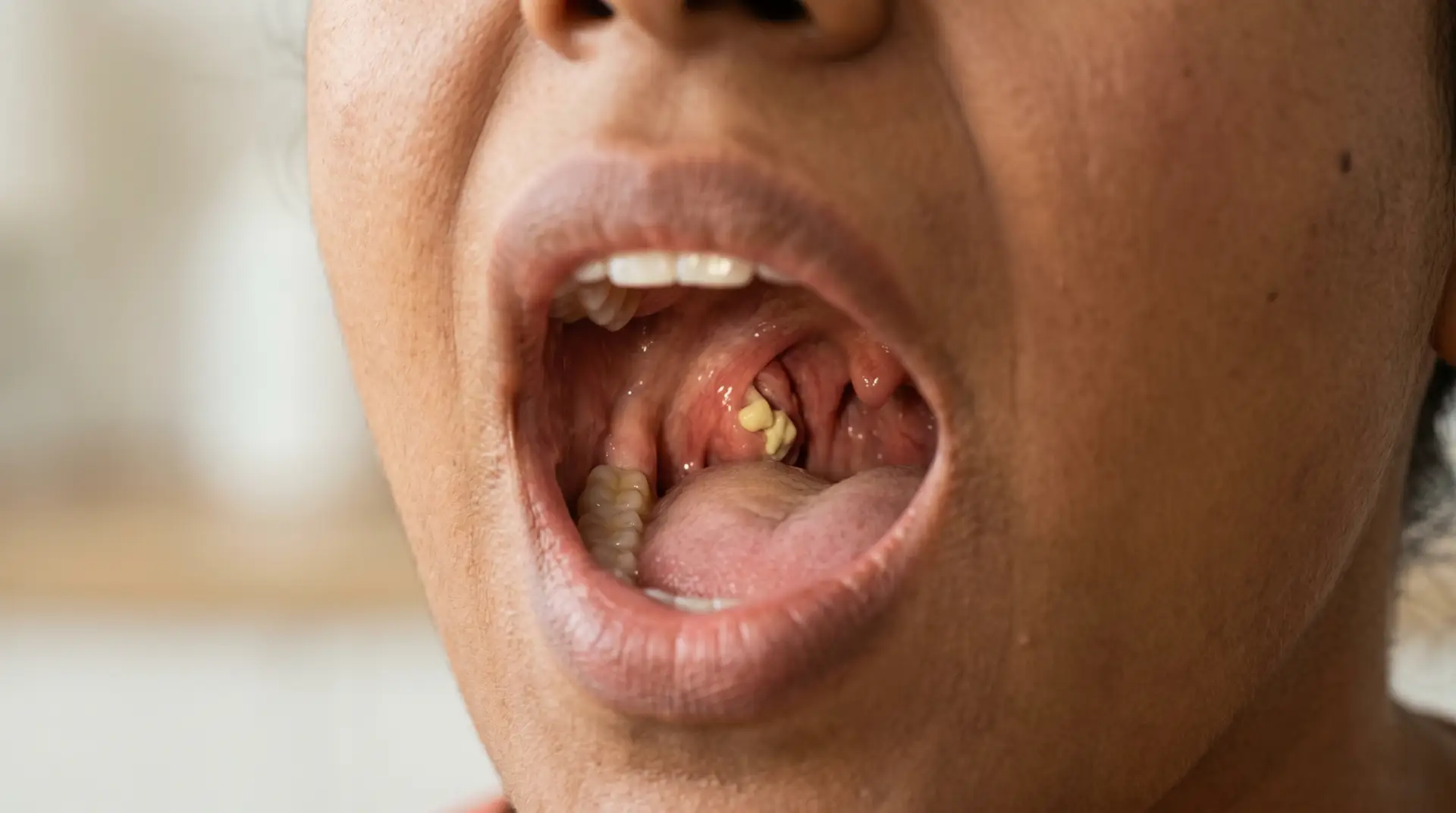
Postnasal drip occurs when mucus from the nose and sinuses drains down the back of the throat.
Over time, this mucus can become trapped in the tonsil crypts and mix with bacteria and debris.
Consequently, individuals with chronic postnasal drip often notice recurring tonsil stones even after removing previous ones.
Saliva plays an important role in washing away bacteria and debris from the mouth.
However, when saliva production decreases, bacteria can multiply more easily.
Dry mouth may occur due to:
Therefore, reduced saliva flow can increase the likelihood of repeated tonsil stone formation.
In some cases, diet may contribute indirectly to tonsil stone development.
Foods that leave particles behind in the mouth or increase mucus production may encourage debris accumulation.
Examples include:
Although diet alone is rarely the primary cause, maintaining good oral hygiene after meals may help reduce recurrence.
While it may not always be possible to prevent tonsil stones completely, several measures can reduce the risk.
Helpful strategies include:
In addition, regular dental and ENT checkups can help identify contributing factors early.
For individuals with severe or persistent tonsil stones, an ENT specialist may recommend tonsillectomy.
Tonsil removal is generally considered when:
Because the tonsils are removed entirely, tonsillectomy permanently eliminates the spaces where stones form.
You should seek medical evaluation if you experience:
Early assessment can help identify the underlying cause and determine the most appropriate treatment.
In most cases, tonsil stones are not dangerous. However, recurring stones may indicate chronic inflammation, infection, or structural changes within the tonsils.
Therefore, if tonsil stones keep returning or causing ongoing discomfort, consulting an ENT specialist can help address the root cause and prevent future episodes.
If you are experiencing voice changes, hoarseness, or throat discomfort, it is important not to ignore the symptoms. Proper diagnosis and timely treatment can help protect your voice and improve your quality of life.
Dr. Diptiman – ENT Specialist
📍Clinic: JCEM Diagnostics, Tarini Lane, Near Secondary Board High School, Bajrakabati Rd, Cuttack, Odisha – 753001
📞 Call: 9438436775
📧 Email: support@drdiptimanent.com
🌐 Website: Dr. Diptiman ENT
