Vertigo Clinic for Dizziness, Balance and Inner Ear Disorders

Understanding Vertigo and Balance Disorders

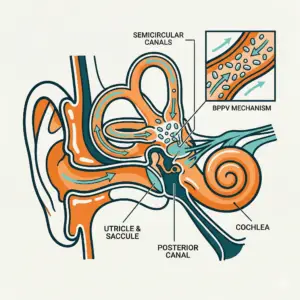
Vertigo is not a disease itself but a symptom that creates a sensation of spinning or movement, often accompanied by imbalance, nausea, or unsteadiness. It commonly arises from problems in the inner ear or the balance system, which plays a crucial role in maintaining body orientation and stability.

At a specialized vertigo clinic, the focus is on identifying the exact cause of dizziness and providing targeted treatment to restore balance and improve quality of life.


Common Causes of Vertigo

Vertigo can result from a variety of conditions affecting the inner ear and vestibular system. Some of the most common causes include:

  • Benign Paroxysmal Positional Vertigo (BPPV)
  • Vestibular neuritis or labyrinthitis
  • Meniere’s disease
  • Migraine-associated vertigo
  • Inner ear infections or inflammation
  • Cervical (neck-related) vertigo

Each condition requires a different treatment approach, making accurate diagnosis essential.

Symptoms You May Experience

Vertigo can present in different ways depending on the underlying cause. Patients often describe:

  • A spinning or whirling sensation
  • Loss of balance or unsteadiness
  • Nausea or vomiting
  • Sudden dizziness with head movement
  • Difficulty walking or standing steadily
  • A feeling of lightheadedness

These symptoms may be brief or persistent and can significantly affect daily activities.

Comprehensive Evaluation

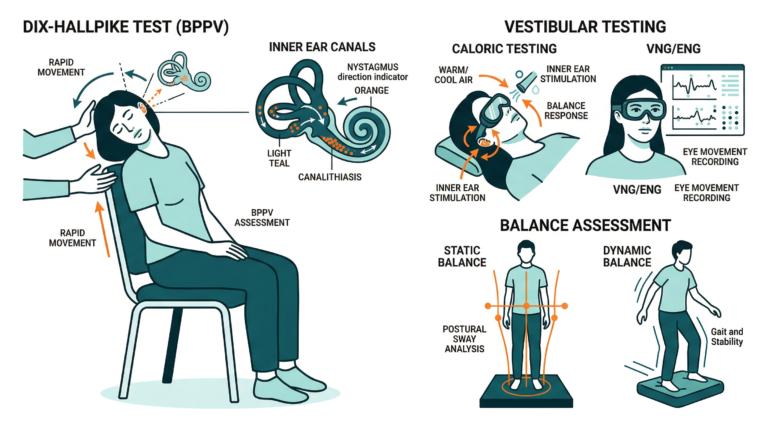
A detailed clinical evaluation is essential to determine the exact cause of vertigo. This includes a thorough history and physical examination, along with specialized tests to assess balance function. Positional tests such as the Dix-Hallpike maneuver help diagnose BPPV, while vestibular assessments evaluate how the inner ear and brain coordinate balance. In selected cases, hearing tests or imaging studies may be recommended to rule out other conditions and ensure accurate diagnosis.

Treatment and Management

Treatment is tailored to the specific cause of vertigo and may involve a combination of therapies. In many cases, vertigo can be effectively treated without surgery.

Management options include:

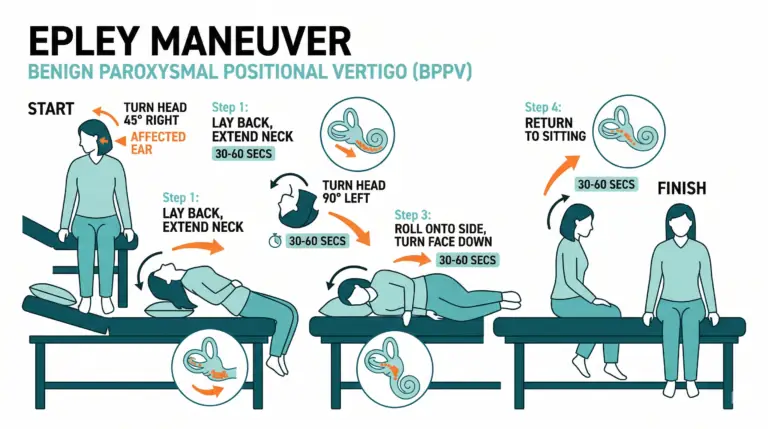
  • Canal repositioning maneuvers (e.g., Epley maneuver for BPPV)
  • Medications to control dizziness and nausea
  • Vestibular rehabilitation therapy (VRT)
  • Treatment of underlying infections or inflammation
  • Lifestyle modifications and trigger avoidance

These treatments aim to restore balance, reduce symptoms, and prevent recurrence.

Why Specialized Vertigo Care Matters

Vertigo can be distressing and disabling if not properly managed. A dedicated vertigo clinic provides focused evaluation, accurate diagnosis, and personalized treatment strategies that address the root cause rather than just symptoms.

With the right care, most patients experience significant improvement and regain confidence in their daily activities.

References