Snoring and Sleep Apnea Surgery for Obstructive Airway Disorders

When Snoring Becomes a Health Concern

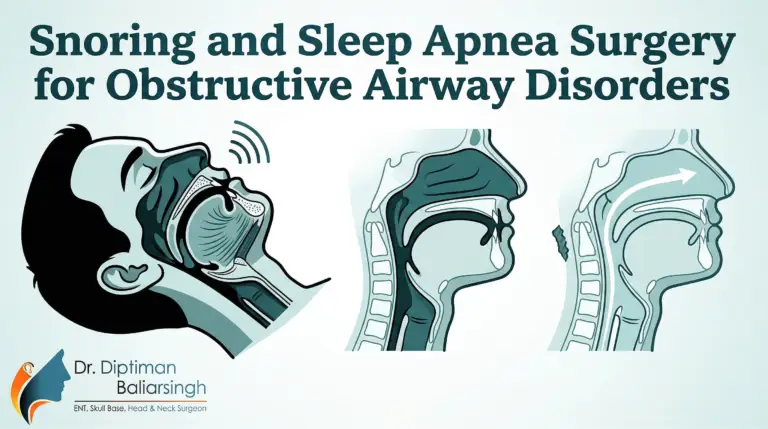
Snoring is often considered a common and harmless problem, but in many cases, it may indicate an underlying condition known as obstructive sleep apnea (OSA). This occurs when the airway becomes partially or completely blocked during sleep, leading to repeated interruptions in breathing.

Over time, untreated sleep apnea can affect overall health, causing fatigue, poor concentration, and increasing the risk of serious conditions such as hypertension and heart disease. Recognizing the difference between simple snoring and a medical condition is the first step toward effective treatment.

Common Signs and Symptoms

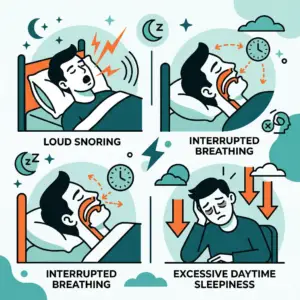
Patients with snoring or sleep apnea may experience a range of symptoms, including:

  • Loud, persistent snoring
  • Pauses in breathing during sleep (often noticed by others)
  • Excessive daytime sleepiness
  • Morning headaches
  • Difficulty concentrating
  • Irritability or mood changes
  • Waking up feeling unrefreshed

These symptoms can significantly impact daily life and should not be ignored.

Causes of Airway Obstruction

Sleep apnea is typically caused by obstruction at different levels of the airway. This may include nasal blockage, enlarged tonsils, excess soft tissue in the throat, or structural abnormalities of the jaw and airway.

In many cases, multiple factors contribute to airway narrowing, making a detailed evaluation essential for identifying the exact cause and selecting the most effective treatment approach.

Diagnostic Evaluation

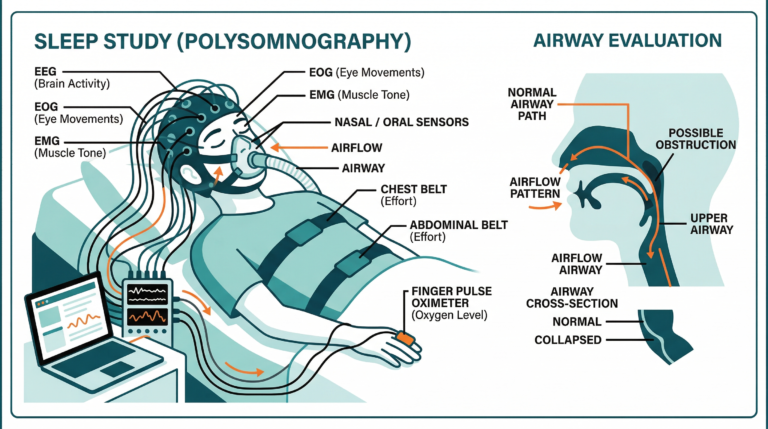
A comprehensive assessment is required to diagnose sleep apnea accurately. This often includes a sleep study (polysomnography), which monitors breathing patterns, oxygen levels, and sleep stages throughout the night. Clinical examination of the nose, throat, and airway helps identify structural causes of obstruction. In some cases, imaging or endoscopic evaluation may be performed to further assess airway anatomy and pinpoint the site of blockage.

Treatment and Surgical Options

Treatment depends on the severity of the condition and the underlying cause. Mild cases may be managed with lifestyle modifications, medical therapy, or devices such as CPAP (Continuous Positive Airway Pressure), which helps keep the airway open during sleep.

For patients who do not respond to conservative treatment or have structural airway obstruction, surgical intervention may be recommended. Surgical options include:

  • Septoplasty for nasal obstruction
  • Tonsillectomy or adenoidectomy
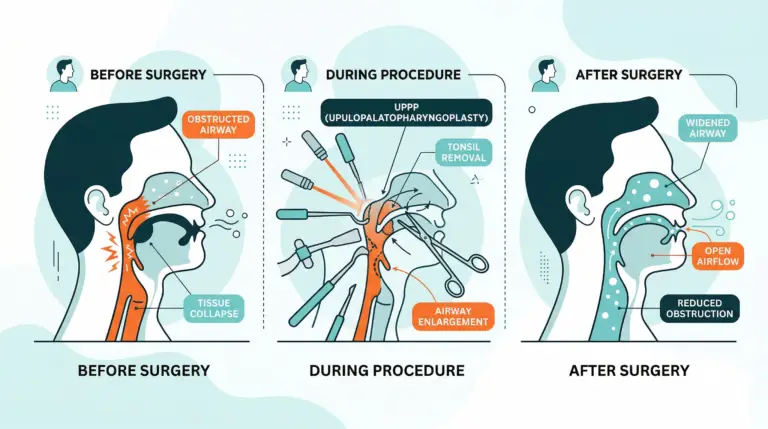
  • Uvulopalatopharyngoplasty (UPPP)
  • Tongue base reduction procedures
  • Advanced airway surgeries for severe cases

These procedures aim to widen the airway, improve airflow, and restore normal breathing during sleep.

Benefits of Treatment

Effective management of snoring and sleep apnea can significantly improve overall health and quality of life. Patients often experience better sleep, increased energy levels, improved concentration, and reduced long-term health risks.

Why Early Treatment Matters

Sleep apnea is a progressive condition that can worsen over time if left untreated. Early diagnosis and appropriate intervention not only improve sleep quality but also help prevent complications related to heart health and metabolism.

With proper evaluation and personalized treatment, patients can achieve restful sleep and long-term well-being.

References