Rhinology & Anterior Skull Base Surgeries

Rhinology and Anterior Skull Base Surgery for Nasal, Sinus and Skull Base Disorders

Understanding Rhinology and Skull Base Surgery

Rhinology is a specialized branch of ENT that focuses on disorders of the nose and paranasal sinuses, while anterior skull base surgery deals with conditions affecting the area between the brain and nasal cavity. These regions are closely connected, and diseases in this area often require highly precise and advanced surgical techniques.

With the evolution of endoscopic technology, many conditions that once required open surgery can now be treated through minimally invasive approaches using the nasal passages, resulting in faster recovery and improved outcomes.

Conditions Treated

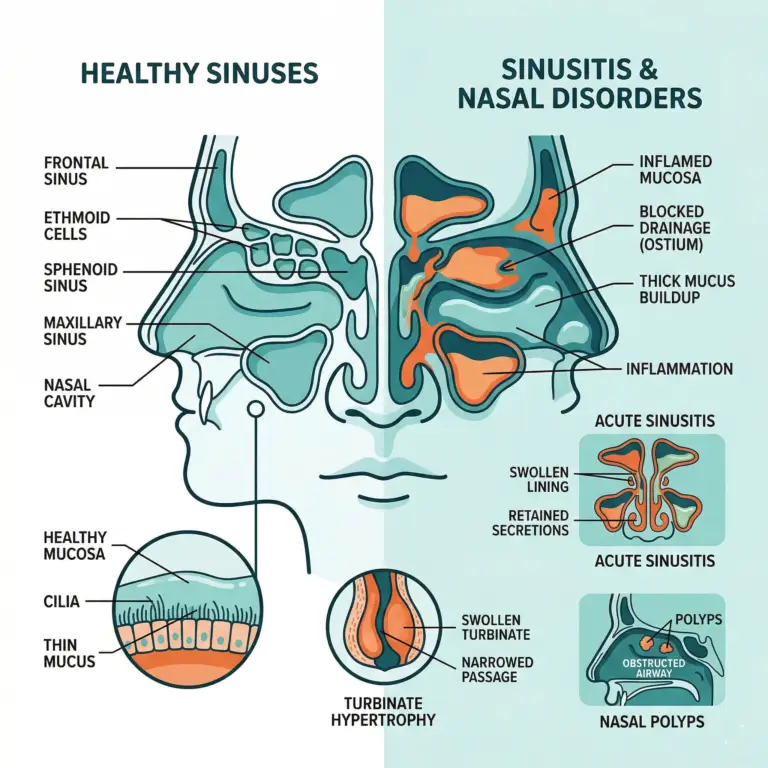
Rhinology and anterior skull base surgery address a wide spectrum of conditions affecting nasal breathing, sinus function, and deeper skull base structures, including:

  • Chronic sinusitis
  • Nasal polyps
  • Deviated nasal septum (DNS)
  • Allergic rhinitis
  • Sinus tumors
  • Cerebrospinal fluid (CSF) leak
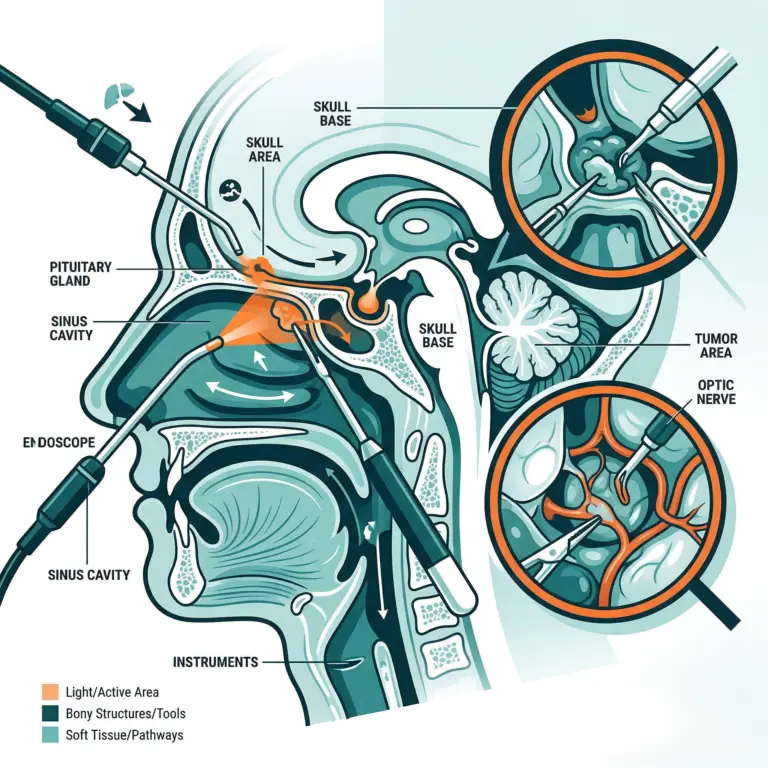
  • Pituitary tumors (approached endoscopically)
  • Skull base tumors and lesions

Early diagnosis and timely treatment are essential to prevent complications and improve quality of life.

Common Symptoms to Watch For

Patients with nasal and sinus disorders may experience a variety of symptoms that can affect daily comfort and breathing:

  • Persistent nasal blockage or congestion
  • Facial pain or pressure
  • Frequent headaches
  • Nasal discharge (sometimes thick or discolored)
  • Reduced or loss of smell
  • Recurrent sinus infections
  • Clear fluid discharge (possible CSF leak in rare cases)

If these symptoms are prolonged or recurrent, evaluation by a specialist is recommended.

Diagnostic Evaluation

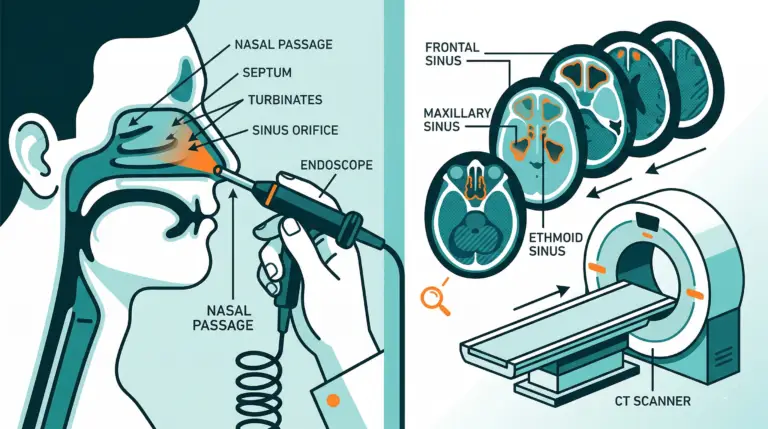
A thorough diagnostic approach is essential to accurately assess nasal and sinus conditions. Clinical examination is often supported by nasal endoscopy, which allows direct visualization of the nasal passages and sinus openings using a thin, flexible camera. Imaging studies such as CT scans provide detailed information about sinus anatomy, blockages, and disease extent, while MRI may be used in more complex cases involving tumors or skull base involvement. These investigations help in forming a precise diagnosis and planning effective treatment.

Treatment and Surgical Management

Treatment depends on the severity and nature of the condition. Many cases can be managed with medications such as nasal sprays, antihistamines, antibiotics, and decongestants to control infection, inflammation, and allergy-related symptoms.

For patients who do not respond to medical therapy or have structural or advanced disease, surgical intervention may be required.

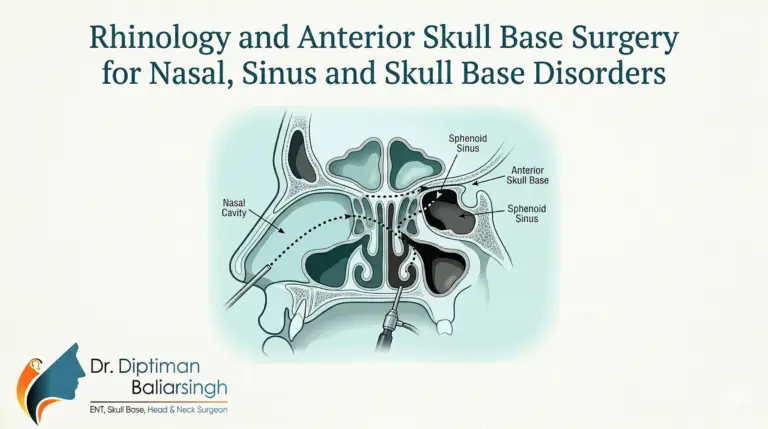
Modern surgical techniques include:

  • Functional Endoscopic Sinus Surgery (FESS)
  • Septoplasty for deviated nasal septum
  • Polypectomy (removal of nasal polyps)
  • Endoscopic skull base surgery
  • CSF leak repair
  • Tumor removal through minimally invasive approaches

These procedures are performed using endoscopic methods, which avoid external cuts, reduce complications, and promote faster recovery.

Advantages of Endoscopic Techniques

Endoscopic rhinology and skull base surgery offer several benefits compared to traditional approaches:

  • Minimally invasive (no external scars)
  • Faster recovery time
  • Reduced pain and hospital stay
  • Better visualization and precision
  • Lower risk of complications

Importance of Specialist Care

Nasal and skull base disorders can significantly impact breathing, sleep, and overall health. Conditions involving the skull base require a high level of expertise due to their proximity to critical structures like the brain, eyes, and nerves.

Specialized care ensures accurate diagnosis, safe surgical intervention, and optimal long-term outcomes.

References