- +91 94384 36775
- support@drdiptimanent.com
- Monday-Saturday: 5:30 PM -8 PM
- JCEM Diagnostics, Tarini Lane, Near Secondary Board High School, Bajrakabati Rd, Cuttack, Odisha – 753001
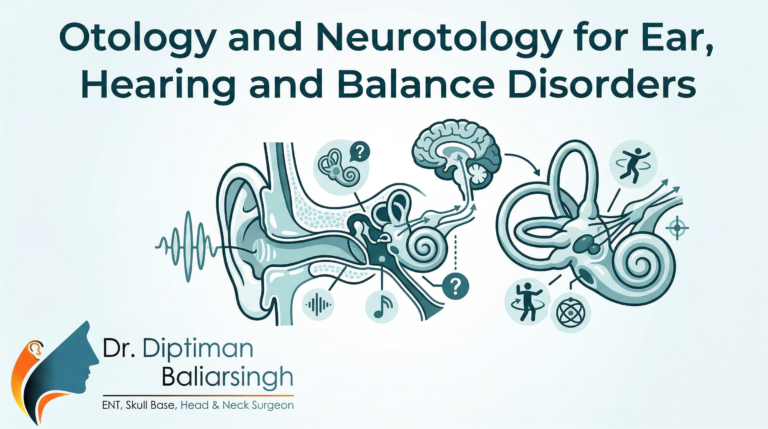
Otology and Neurotology are specialized branches of ENT that focus on disorders of the ear, hearing mechanisms, and balance system. These fields deal not only with common ear problems but also with complex inner ear and nerve-related conditions that can affect hearing, equilibrium, and quality of life.
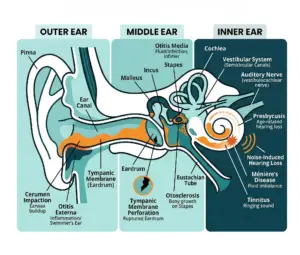
Otology primarily addresses diseases of the outer and middle ear, while Neurotology focuses on the inner ear, vestibular system, and neural connections to the brain. Together, they provide comprehensive care for both routine and advanced ear-related conditions.
Otology and Neurotology cover a wide range of conditions affecting hearing and balance, including:
Early identification of these conditions is essential to prevent complications and preserve hearing function.
Patients experiencing ear or balance issues often present with a combination of symptoms. These may include:
If these symptoms persist or worsen, timely medical consultation is recommended.
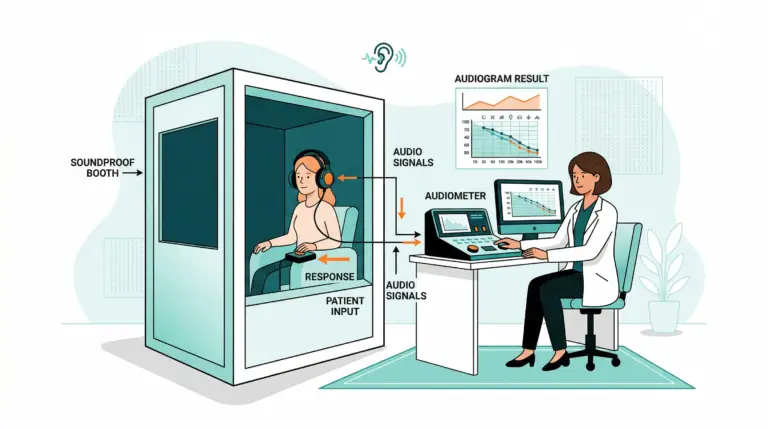
Accurate diagnosis is the cornerstone of effective treatment in otology and neurotology. A range of advanced diagnostic tools are used to thoroughly evaluate ear and balance disorders. These include pure tone audiometry for detailed hearing assessment, tympanometry to analyze middle ear function, and otoacoustic emissions (OAE) testing to assess inner ear health. In cases involving balance-related issues, specialized vestibular function tests are performed to identify underlying causes of dizziness or vertigo. When necessary, imaging studies such as CT scans or MRI are also utilized to provide a detailed view of ear structures and neural pathways. Together, these investigations help in accurately identifying the condition and guiding the most appropriate treatment plan.
Treatment in otology and neurotology varies depending on the specific condition, its severity, and the individual needs of the patient. In many cases, medical management is the first line of treatment, where medications are prescribed to control infections, reduce inflammation, and manage symptoms such as vertigo or discomfort. Alongside this, minimally invasive procedures like ear cleaning, minor repairs, and office-based interventions are commonly performed to effectively address a wide range of ear conditions without the need for major surgery.
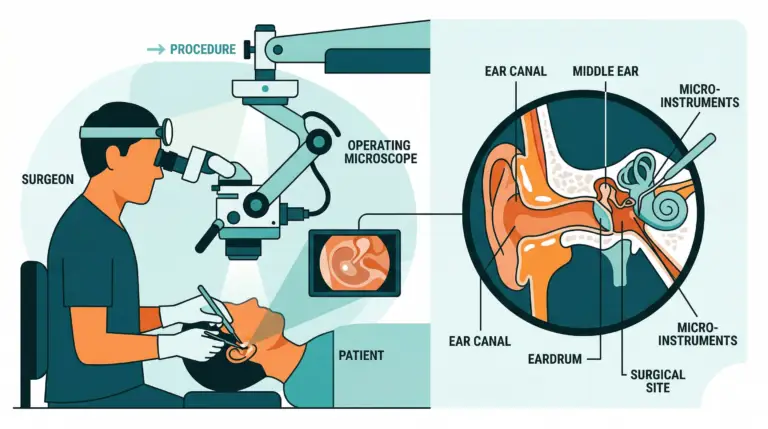
For more complex or advanced conditions, surgical treatment may be required. Modern surgical techniques such as tympanoplasty for eardrum repair, mastoidectomy for chronic infections, cochlear implantation for severe hearing loss, and tumor removal in neurotological cases are performed with high precision. These advanced procedures are designed to restore hearing, eliminate disease, and significantly improve patient outcomes while minimizing risks and recovery time.
Ear and balance disorders can significantly impact daily life, communication, and overall well-being. Specialized otology and neurotology care ensures precise diagnosis, effective treatment, and long-term management.
With advancements in medical technology and surgical techniques, many conditions can now be treated successfully with improved outcomes and faster recovery.