Head and Neck Surgery for Thyroid, Gland and Tumor Disorders

Overview of Head and Neck Surgery

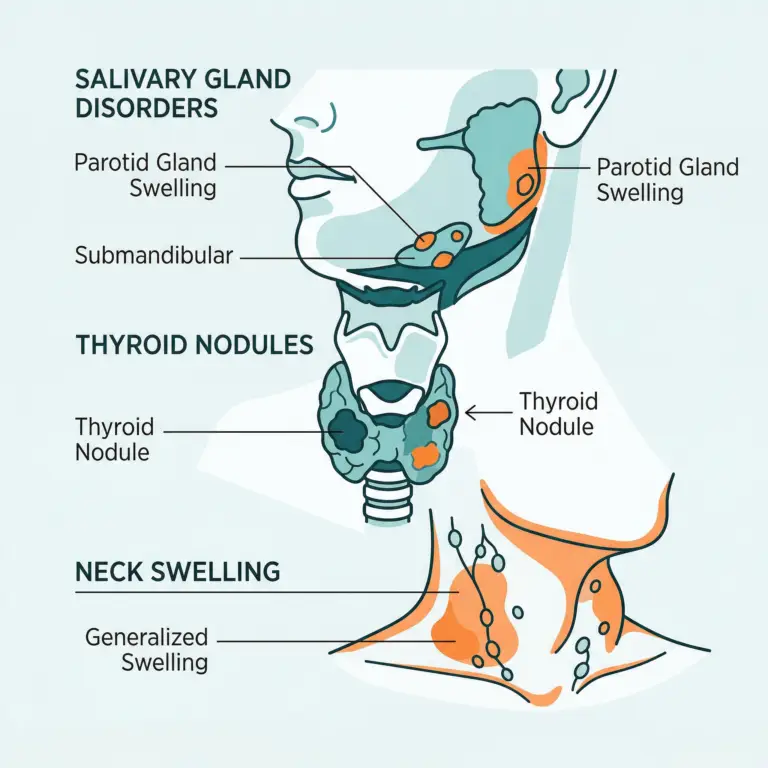
Head and neck surgery is a specialized field focused on the diagnosis and surgical management of conditions affecting the thyroid gland, salivary glands, lymph nodes, and various structures of the head and neck region. These areas are complex and closely related to vital functions such as breathing, swallowing, speech, and appearance.

With advancements in surgical techniques, many procedures today are performed with high precision, improved safety, and better functional and cosmetic outcomes.

Conditions Managed

This specialty covers a wide range of conditions, including both benign and malignant disorders:

  • Thyroid nodules and goiter
  • Thyroid cancer
  • Salivary gland tumors
  • Neck swellings and lymph node enlargement
  • Oral and throat tumors
  • Head and neck cancers
  • Congenital neck masses (cysts, fistulas)

Early evaluation is critical, especially in cases involving persistent swelling or suspected tumors.

Warning Signs That Need Attention

Certain symptoms in the head and neck region should never be ignored, as they may indicate underlying serious conditions:

  • Persistent neck swelling or lump
  • Difficulty swallowing (dysphagia)
  • Voice changes or hoarseness
  • Unexplained weight loss
  • Non-healing ulcers in the mouth
  • Pain in throat or ear
  • Difficulty breathing in advanced cases

Prompt medical evaluation ensures early diagnosis and effective treatment.

Diagnostic Evaluation

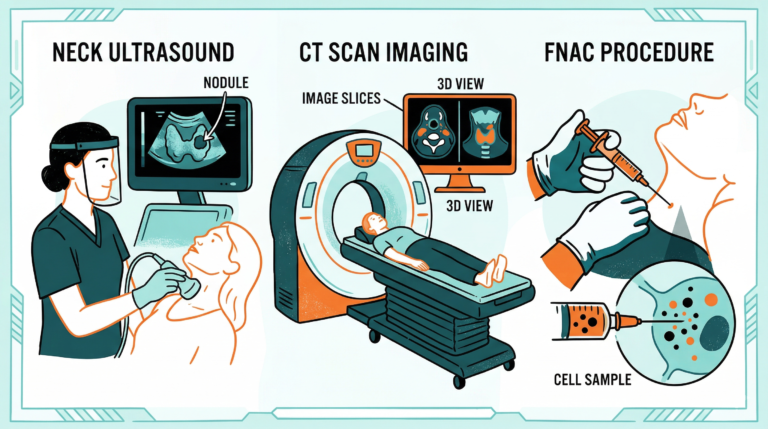
A detailed diagnostic approach is essential to determine the nature and extent of the disease. Clinical examination is often supported by imaging techniques such as ultrasound, CT scan, or MRI to assess the size, location, and spread of the condition. Fine Needle Aspiration Cytology (FNAC) is commonly performed to evaluate lumps or nodules and determine whether they are benign or malignant. These investigations help guide precise treatment planning and surgical decision-making.

Surgical and Treatment Approaches

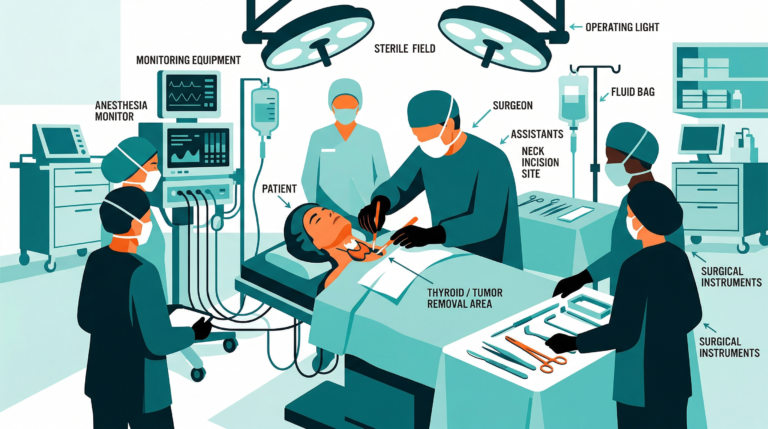
Treatment depends on the diagnosis, stage of disease, and patient-specific factors. While some conditions may be managed conservatively or with medications, many require surgical intervention for definitive treatment.

Common surgical procedures include:

  • Thyroidectomy (partial or total removal of thyroid gland)
  • Removal of salivary gland tumors
  • Excision of neck masses or cysts
  • Lymph node dissection
  • Tumor removal in head and neck cancers

In selected cases, reconstructive procedures may also be performed to restore function and appearance after tumor removal.

Precision and Multidisciplinary Care

Head and neck conditions often require a multidisciplinary approach involving ENT specialists, surgeons, radiologists, and oncologists. Modern surgical care emphasizes precision, safety, and preservation of essential functions such as speech and swallowing.

Advanced techniques and careful planning help achieve optimal outcomes while minimizing complications.

Importance of Early Detection

Early diagnosis plays a vital role in successful treatment, especially in cases of tumors and cancers. Recognizing symptoms early and seeking timely medical advice can significantly improve prognosis and recovery.

With specialized care, patients benefit from accurate diagnosis, effective treatment, and improved quality of life.

References